
Commercial Vehicle Loan Approval Process: What Every Indian Transport Buyer Should Know
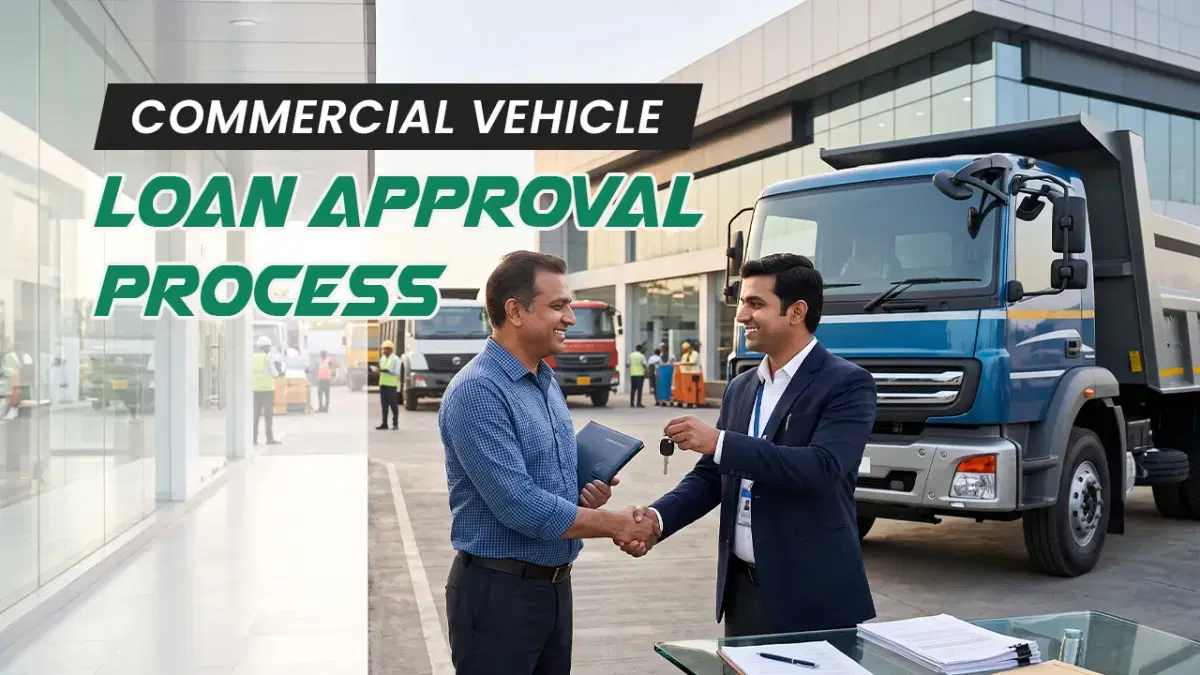
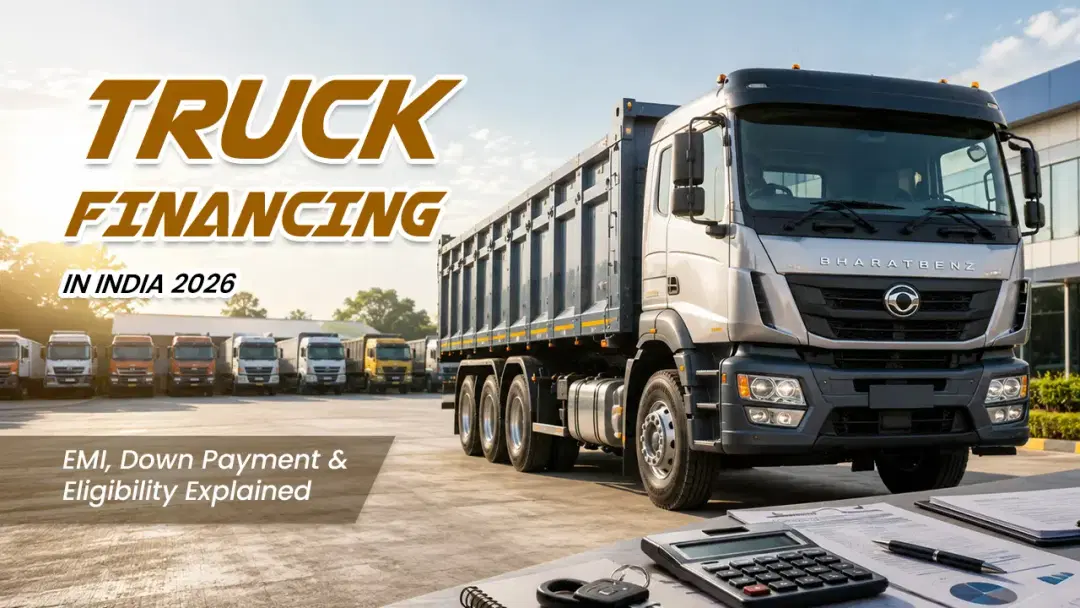
The commercial vehicle loan approval process in India typically moves faster than most first-time buyers expect, but only if the right paperwork and financial profile are in place before the application goes in. Lenders assess a mix of credit history, income stability, and vehicle documentation, and understanding this sequence upfront can shave days off the wait and prevent avoidable rejections. Whether it's a first-time truck buyer in a Tier-2 city or a fleet operator adding a fifth vehicle in India's logistics-heavy corridors, the approval journey follows a broadly similar path, even though timelines and conditions vary by lender.
How Commercial Vehicle Financing Works
A commercial vehicle loan is fundamentally different from a personal auto loan because lenders are underwriting a business asset expected to generate income, not just a mode of personal transport. Banks and NBFCs evaluate the applicant's ability to service the EMI from the vehicle's projected earnings, particularly for transporters and fleet owners who depend on freight income to repay the loan. This is why lenders scrutinize route history, existing fleet utilization, and even the specific commercial vehicle model being financed, since resale value and running costs differ significantly between a light commercial vehicle and a heavy multi-axle truck. CV finance in India has also become considerably more digitized in recent years, with several NBFCs now offering pre-approved limits to repeat borrowers with clean repayment records.
Eligibility Across Borrower Types
Eligibility criteria shift depending on whether the applicant is salaried, self-employed, an established transporter, or a fleet owner scaling operations. Salaried applicants generally need to show a stable income source and a reasonable debt-to-income ratio, while self-employed borrowers and transport businesses are assessed on turnover, profitability, and the age of the business, with most lenders preferring at least two to three years of operating history. Fleet owners expanding their operations often get more favourable terms because they can demonstrate an existing repayment track record across multiple vehicles, which lowers perceived risk for the lender. A small fleet owner in Nagpur adding a third truck, for instance, will typically face a smoother approval process than a completely new transport operator applying for their first loan eligibility for commercial vehicles, simply because the lender already has visibility into past EMI conduct.
New vs Used Commercial Vehicle Loan Approval
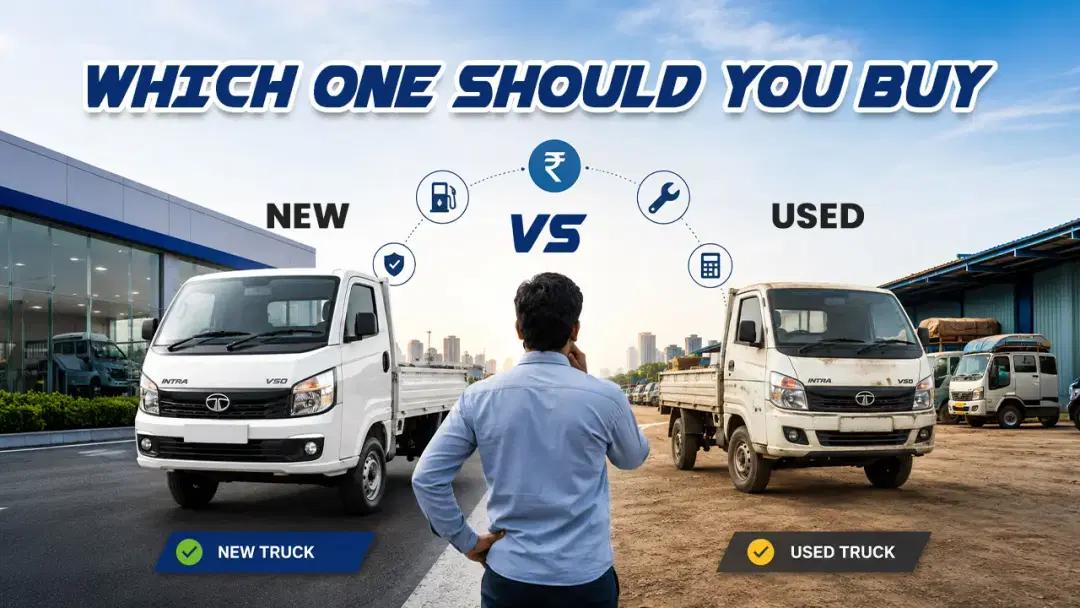
The approval process for a new truck differs meaningfully from that of a used one, primarily because of how lenders calculate the Loan-to-Value (LTV) ratio. New commercial vehicle loans often qualify for LTV of up to 85–90% of the on-road price, since the vehicle carries manufacturer warranty and predictable resale value. Used commercial vehicle loans are assessed more conservatively, with LTV frequently capped lower and additional scrutiny applied to the vehicle's age, chassis condition, and prior ownership history through a physical inspection or valuation report. This is one reason truck loan approval for a used vehicle can take longer than for a new one, since lenders may need extra time to verify the asset itself before verifying the borrower.
Documents, Credit Score and Income Verification
Commercial vehicle loan documents typically include KYC proof, address verification, income tax returns or GST filings for business applicants, bank statements for the past six to twelve months, and the vehicle quotation from an authorized dealer. A strong CIBIL score, generally above 700, meaningfully improves approval odds and can also influence the interest rate offered, since lenders use it as a proxy for repayment discipline. Income assessment goes beyond just salary slips or ITRs; for transporters, lenders often look at freight receipts, existing loan obligations, and bank statement cash flow patterns to build a realistic picture of repayment capacity. Dealer verification is a parallel step where the lender confirms the vehicle quotation, on-road price, and dealership credentials before proceeding to sanction, since discrepancies here are a common cause of delay.
Sanction, Verification and Disbursement
Once documents are submitted, the lender conducts a credit appraisal that weighs CIBIL score, income stability, down payment capacity, and existing liabilities before issuing a sanction letter with the approved loan amount, tenure, and interest rate. Digital approvals for eligible applicants with clean credit profiles can now come through in 24–48 hours, particularly with NBFCs that have streamlined underwriting for repeat or pre-qualified customers. Traditional branch-based processing, more common with public sector banks, generally takes 3–7 working days, factoring in physical document verification and internal credit committee sign-off. After sanction, disbursement is tied to final verification, including confirmation of down payment, vehicle registration, and hypothecation of the vehicle to the lender, which legally secures the loan until the final EMI is paid off.
Banks vs NBFCs for Approval Speed and Flexibility
Public and private sector banks typically offer lower interest rates and are well suited to applicants with strong, well-documented income and credit histories, such as salaried buyers or established businesses with formal financial records. NBFCs, on the other hand, tend to have more flexible underwriting criteria and faster turnaround, making them a practical choice for self-employed transporters, first-time buyers, or those in semi-urban and rural areas where formal income documentation may be thinner. As of July 2026, several NBFCs have leaned further into asset-backed truck and commercial vehicle financing, reflecting a broader industry shift toward secured lending, which has generally made approval more accessible for transport operators who may not meet stricter bank criteria.
Why Loans Get Rejected — and How to Fix It
The most common reasons for rejection include a low or inconsistent CIBIL score, insufficient down payment capacity, unstable or undocumented income, and an unusually high debt-to-income ratio from existing vehicle loans. Applicants can meaningfully improve their approval chances by clearing existing dues before applying, maintaining consistent bank statement cash flow for at least six months, and choosing a down payment above the lender's minimum requirement to reduce perceived risk. For transporters and fleet owners, keeping GST filings current and maintaining a clean repayment record on any existing commercial vehicle loan carries significant weight during credit appraisal.
A first-time buyer with limited credit history is generally better served applying through an NBFC with a modest down payment cushion and, where possible, a co-applicant to strengthen the file, while an established fleet owner with a clean repayment record can often move straight to a bank for a lower interest rate. Check your commercial vehicle loan eligibility, estimated EMI, and financing options on Drivio before applying, so you know exactly what to expect during the approval process.
Popular Trucks
Tata Intra v10
₹7.28 Lakh Onwards
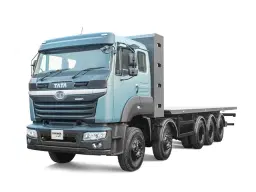
Tata Prima 35.K Auto Shift
Price to be announced
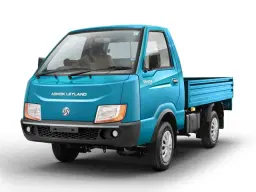
Ashok Leyland Saathi
₹6.50 Lakh Onwards

Mahindra Bolero PIK UP FB 1.3T - PS AC
₹10.48 Lakh Onwards
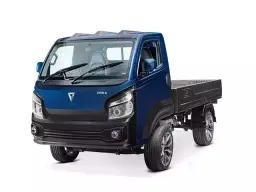
Omega Seiki M1ka
₹15.00 Lakh Onwards
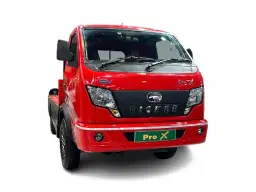
Eicher Pro x
₹17.49 Lakh Onwards
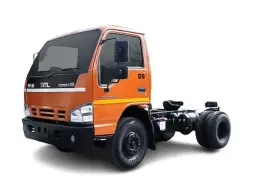
Swaraj Mazda Samrat GS Tipper Chassis
₹21.24 Lakh Onwards
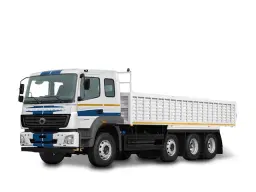
Bharat Benz 3123R
₹40.97 Lakh Onwards

Force Kargo King
₹6.49 Lakh Onwards
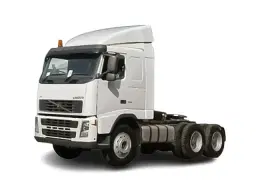
Volvo FM 440 6x4
₹70.00 Lakh Onwards