
New Truck Finance vs Used Truck Finance: Which Costs You Less in India?

New truck finance vs used truck finance in India comes down to one number most buyers overlook until the sanction letter arrives: the interest rate gap can run to 4–6 percentage points, and over a 60-month loan that difference decides whether your monthly EMI protects your cash flow or strangles it. For fleet owners and first-time operators in India weighing a Tata Ace against a well-maintained pre-owned truck, the financing structure — not just the sticker price — is what actually determines total cost of ownership.
Why New Truck Finance Starts Cheaper
Lenders treat a new commercial vehicle as the safer bet, and it shows in the rate sheet. New truck finance in India typically runs between 9.5% and 12% per annum from banks and NBFCs such as HDFC Bank, Tata Capital, and Hinduja Leyland Finance, with the lowest rates reserved for applicants with strong CIBIL scores and stable transport business income. Down payments are correspondingly light — most lenders fund 80–90% of the on-road price, sometimes up to 100% of the chassis value for established fleet customers, which means a buyer can walk away with just 10–20% upfront. Tenures stretch out too, commonly up to 60 months and occasionally longer for heavy vehicles, which keeps the monthly outgo manageable even on a ₹15–20 lakh truck.
Reading the New Truck EMI Numbers
Take a fairly typical scenario: a new light commercial vehicle priced at ₹10 lakh, financed at 20% down payment, a 60-month tenure, and 11% interest. That works out to a loan amount of ₹8 lakh, an EMI of roughly ₹17,400 a month, and total interest paid over the tenure of around ₹2.44 lakh. It's a predictable number a transporter can plan a route schedule around, and it's backed by a full manufacturer warranty that removes early-life repair risk from the equation — something that matters when the vehicle is also collateral for the loan.
Where Used Truck Finance Gets Expensive
Used truck finance flips almost every one of those numbers. Because resale value is harder to pin down and the vehicle carries unknown wear, lenders price in the risk with rates that typically sit between 13% and 17%, and NBFCs specialising in the pre-owned segment — the ones most active here, given that public sector banks are often reluctant to fund older assets — can quote toward the higher end for buyers with thinner credit files. Loan-to-value ratios drop as well, with most lenders financing 60–70% of the truck's assessed valuation rather than the price the buyer negotiated, which usually pushes the down payment to 30–40% of that value. Tenure is capped too: financiers generally cap the total loan period so that the truck won't be older than 8–10 years by the time it's repaid, meaning a five-year-old truck might only qualify for a 36-month loan.
Used Truck EMI, Worked Out
On a used truck valued at ₹6 lakh, with a 35% down payment, a 36-month tenure, and 15% interest, the loan amount comes to roughly ₹3.9 lakh, and the EMI lands near ₹13,500 a month — lower in absolute rupee terms than the new-truck example, but with a materially heavier interest burden relative to the loan size, and a shorter runway to pay it off. Add in a fresh insurance policy, since a lapsed prior-owner policy has to be replaced before disbursement, and the effective monthly cost climbs further.
New Truck Finance vs Used Truck Finance: Which Is Cheaper?
The GST and Depreciation Angle Buyers Miss
New commercial vehicle purchases typically allow the buyer to claim GST input tax credit against business use, which effectively lowers the real acquisition cost for a registered transport business — though this benefit depends on your GST registration status and how the vehicle is deployed, so it's worth confirming with a tax advisor rather than assuming it applies universally. Depreciation cuts the other way: a new truck loses the steepest chunk of its value in year one, even while the loan is structured around its higher purchase price, whereas a used truck has already absorbed that first depreciation hit, so the financed amount more closely tracks its real market worth going forward.
Internal Comparisons Worth Knowing
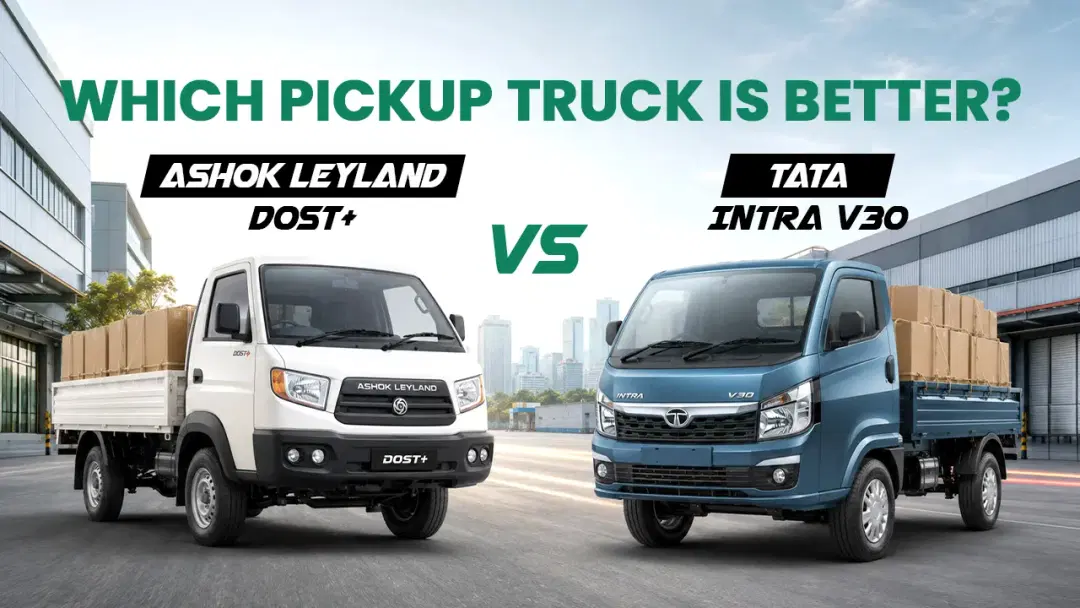
Buyers cross-shopping this decision often land between something like the Tata Ace, which Drivio has covered in detail for its EV and diesel variants, and a used Ashok Leyland Dost picked up through a certified pre-owned channel. The Ace's new-vehicle financing terms favour predictable EMIs and full warranty cover, while a well-inspected used Dost can still make sense for an operator who needs a lower upfront outlay and is comfortable underwriting the mechanical risk themselves.
The Verdict
New truck finance is the stronger choice for first-time fleet owners and businesses prioritising predictable EMIs, full warranty protection, and the lowest available interest rates, even if it means a larger loan amount overall. Used truck finance suits buyers who need to preserve upfront capital, are financing older but well-maintained vehicles, and can accept a shorter repayment window and a materially higher rate in exchange for a smaller loan principal. Either way, run both scenarios against your actual monthly revenue per route before signing, because the cheaper EMI on paper isn't always the cheaper truck to own. Check truck loan EMI options and eligibility for both new and used vehicles on Drivio.





Popular Trucks
Tata Intra v10
₹7.28 Lakh Onwards
Tata Prima 35.K Auto Shift
Price to be announced
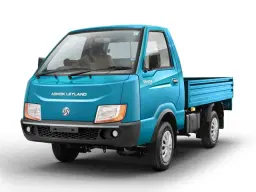
Ashok Leyland Saathi
₹6.50 Lakh Onwards

Mahindra Bolero PIK UP FB 1.3T - PS AC
₹10.48 Lakh Onwards
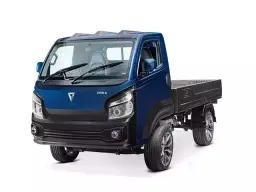
Omega Seiki M1ka
₹15.00 Lakh Onwards
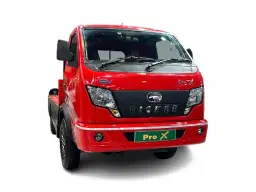
Eicher Pro x
₹17.49 Lakh Onwards
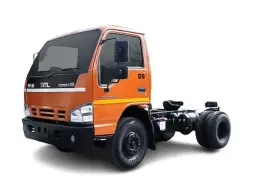
Swaraj Mazda Samrat GS Tipper Chassis
₹21.24 Lakh Onwards
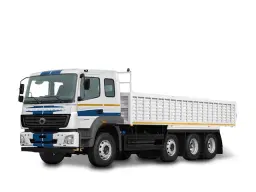
Bharat Benz 3123R
₹40.97 Lakh Onwards
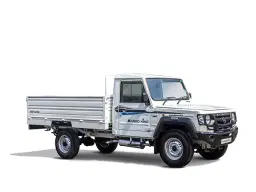
Force Kargo King
₹6.49 Lakh Onwards
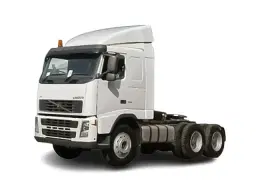
Volvo FM 440 6x4
₹70.00 Lakh Onwards