
Truck Business ROI Calculator: How to Work Out Real Profit in India (July 2026)
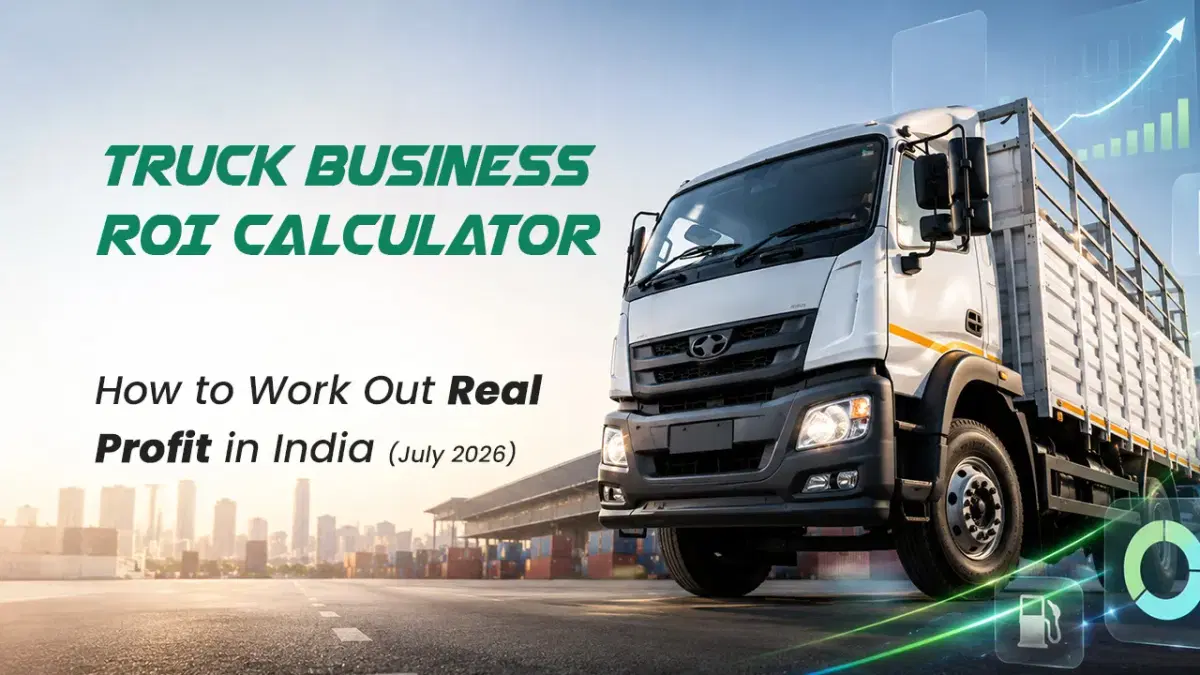
A truck business ROI calculator is the single most useful tool a transporter can run before signing a loan agreement, because monthly profit in India's commercial vehicle segment comes down to five moving parts: freight income, EMI, diesel cost, driver salary and maintenance. In July 2026, with diesel hovering around ₹95 per litre and EMIs on a mid-size truck often running ₹28,000–₹35,000 a month, the gap between a profitable route and a loss-making one can be thinner than most first-time buyers expect. Anyone comparing a small commercial vehicle against a medium-duty truck, or weighing whether to add a second vehicle to an existing fleet, needs to run the numbers before falling for a good freight rate on paper.
Why a Truck Business ROI Calculator Matters Before You Sign the Loan
Buying a truck on emotion or on a single attractive contract offer is how many first-time operators end up with an EMI burden they can't service. A proper truck business ROI calculator forces you to lay out monthly kilometres, average mileage, fuel cost, driver salary, tyre and maintenance provision, insurance, permit and toll costs against realistic freight income — not the best-case number a dealer or broker quotes you. Small commercial vehicles in India are priced around ₹6 lakh–₹12 lakh ex-showroom, intermediate and light trucks fall between ₹12 lakh–₹25 lakh, and medium-duty trucks typically cost ₹25 lakh–₹40 lakh ex-showroom. On-road price in Delhi or Mumbai will sit meaningfully higher once RTO charges, insurance, FASTag and any body-building work are added, so working from the on-road figure rather than the ex-showroom price is where most ROI estimates go wrong.
How to Calculate Truck Business ROI in India
The working method is straightforward: take your expected monthly freight income, subtract EMI, diesel cost, driver salary, maintenance and tyre provision, and insurance/permit/toll estimates, and what remains is your net monthly profit. Divide your total investment — down payment plus any upfront costs — by that net monthly profit to get your rough payback period. This is where a transport business ROI view differs from a simple commercial vehicle EMI calculator, because EMI alone tells you your fixed monthly outgo, not whether the truck earns enough to comfortably clear it and still leave an operating margin.
A Realistic Sample Calculation
Consider a light/intermediate truck like the Eicher Pro 2049 used for intercity freight, priced around ₹19 lakh on-road.
At this net monthly profit, the payback period on the down payment works out to roughly 12 months, though this depends heavily on route consistency, return-load availability and how many days the truck actually runs versus sits idle. This is an estimated scenario — actual numbers shift with freight rate negotiation, seasonal demand and finance terms offered by your specific lender.
Why Utilisation Matters More Than Just Mileage
Mileage gets all the attention in showroom conversations, but utilisation is what actually decides whether a truck business ROI calculator shows a healthy number or a worrying one. A truck rated at 9 kmpl that runs 8,000 km a month with consistent return loads will almost always outperform a more fuel-efficient truck that sits idle for a third of the month waiting for cargo. Indian road conditions add another layer: city delivery routes involve loading delays, congestion and shorter average speeds, while highway freight offers better fuel efficiency but depends on toll costs and return-load timing. A truck ownership cost model that ignores downtime — whether from breakdowns, permit issues or slow loading at the consignor's yard — will always overstate real earnings.
New Truck vs Used Truck: Which Gives Better ROI
A new medium-duty truck offers warranty cover, better fuel efficiency and financing ease, but the EMI burden is higher and depreciation in the first two years is steep. A used truck, typically priced 30–45% lower, reduces EMI pressure and shortens payback period, but maintenance costs and downtime risk rise, especially past the 4–5 lakh km mark. For an operator adding a second truck to an existing fleet with steady contracts already in place, a used vehicle often makes better financial sense because the fixed customer base absorbs the higher maintenance risk. For a first-time buyer without confirmed freight contracts, a new vehicle under warranty — even at a higher EMI — usually offers more predictable monthly numbers for the first year, which matters more than raw savings when cash flow is tight.
Small Commercial Vehicle vs Medium-Duty Truck
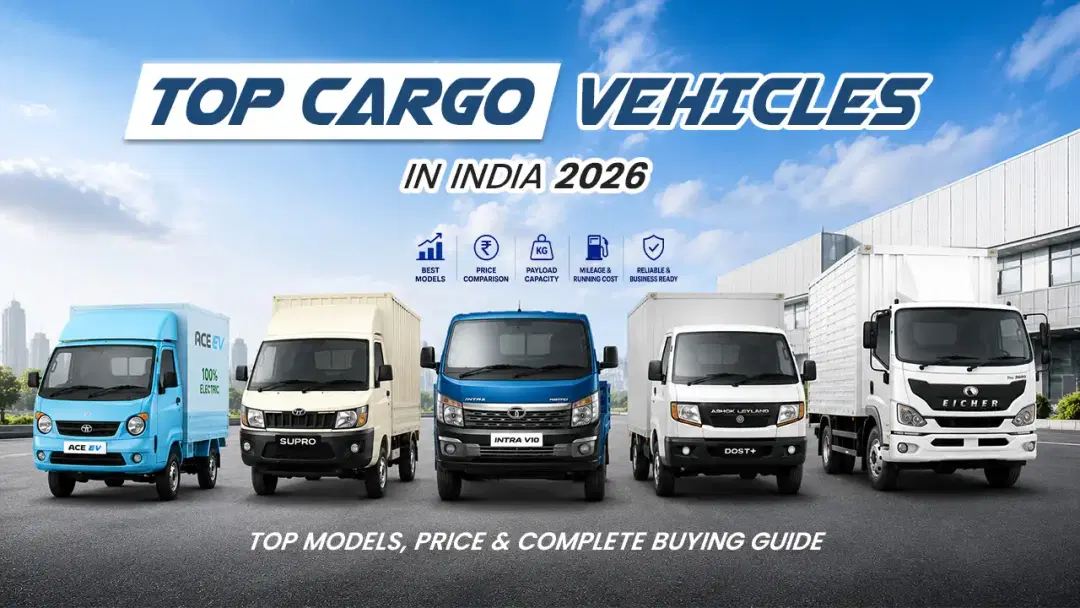
Small commercial vehicles like the Tata Intra V50 or Ashok Leyland Dost suit last-mile city delivery, with better mileage (12–18 kmpl) and lower EMI, making them a lower-risk entry point for first-time operators. Medium-duty trucks carry higher loan amounts and lower mileage (4–7 kmpl), but their per-trip earning potential on long-haul freight can outpace a small commercial vehicle several times over — provided utilisation stays high and return loads are reliably available. A fleet profitability calculator run across both categories usually shows small commercial vehicles recovering investment faster, while medium-duty trucks offer higher absolute profit once the loan is serviced and the route is established.
First-time operators with limited working capital and no confirmed long-term contracts are better served starting with a small or used commercial vehicle and scaling up once cash flow proves stable, while established transporters with steady freight relationships and the working capital to absorb a slow first quarter are better positioned to take on a medium-duty truck straightaway. Either way, run your specific route, freight rate and finance terms through a truck business ROI calculator before signing anything — then check the on-road price and EMI for the truck you want in your city on Drivio.







Popular Trucks
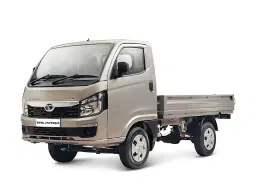
Tata Intra v10
₹7.28 Lakh Onwards
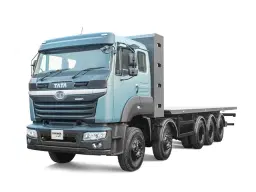
Tata Prima 35.K Auto Shift
Price to be announced
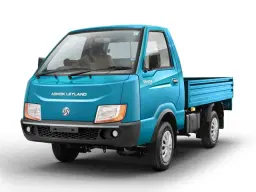
Ashok Leyland Saathi
₹6.50 Lakh Onwards

Mahindra Bolero PIK UP FB 1.3T - PS AC
₹10.48 Lakh Onwards
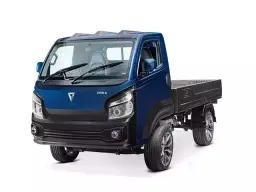
Omega Seiki M1ka
₹15.00 Lakh Onwards
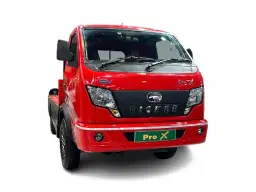
Eicher Pro x
₹17.49 Lakh Onwards

Swaraj Mazda Samrat GS Tipper Chassis
₹21.24 Lakh Onwards
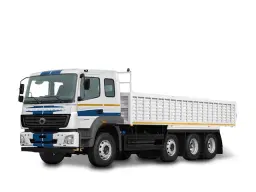
Bharat Benz 3123R
₹40.97 Lakh Onwards
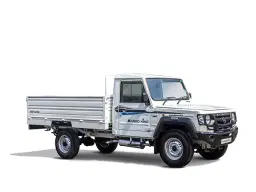
Force Kargo King
₹6.49 Lakh Onwards
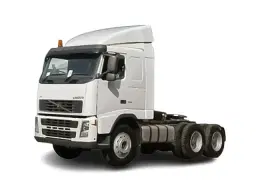
Volvo FM 440 6x4
₹70.00 Lakh Onwards