
Truck Down Payment in India: 10%, 20% or 30%? Real EMI Math
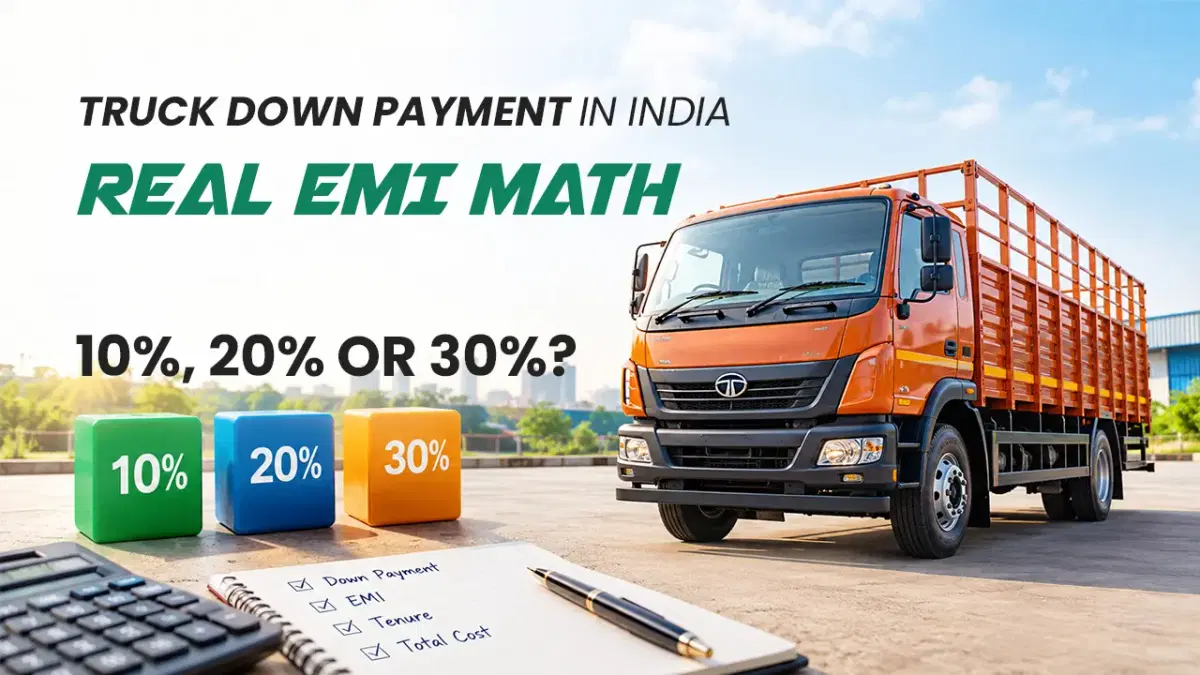
The right truck down payment in India is 15–20% of the ex-showroom price for most buyers, even though lenders will often finance 80–90% and sometimes the full 100%. On a Mahindra Supro Profit Truck Maxi, listed from about ₹6.58 lakh ex-showroom, that means ₹98,700 to ₹1.32 lakh upfront instead of the bare minimum of ₹65,800. The gap looks small on delivery day, but it decides your EMI, your interest bill and how much cash you have left when the first diesel and tyre bills arrive in October 2026.
How Much Down Payment Do Lenders Ask for on a New Truck?
Banks and NBFCs are far more generous with new commercial vehicles than with cars. Public sector bank schemes typically fund up to 80% of the invoice value over a maximum of 60 months, while NBFCs such as Tata Capital advertise up to 100% financing, so the loan-to-value ratio on fully built trucks usually lands between 90% and 100%. Interest on a commercial vehicle loan starts around 10.5% at the larger NBFCs and climbs for first-time owners with a thin credit history. A lender’s willingness to fund everything is not a recommendation to borrow everything. Zero-down loans usually carry a higher rate, a bigger processing fee and a tougher income check, and India Ratings expects CV loan asset quality to weaken in the first half of FY27, which makes lenders wary of borrowers with no money of their own in the vehicle.
What 10%, 20% and 30% Down Really Cost You
Take the Supro at ₹6.58 lakh with a 60-month loan at 11%, a realistic rate for a first-time buyer with a decent CIBIL score. At 10% down (₹65,800), the loan is ₹5.92 lakh, the EMI is about ₹12,880 and the interest bill is roughly ₹1.80 lakh. At 20% down (₹1.32 lakh), the EMI drops to about ₹11,450 and interest falls to ₹1.60 lakh. At 30% down (₹1.97 lakh), the EMI is about ₹10,015 and interest shrinks to ₹1.40 lakh.
Every extra ₹1 lakh you put in upfront saves roughly ₹30,000 in interest over five years, a risk-free return that comfortably beats a bank fixed deposit. A ₹1,430 lighter EMI each month, the gap between 10% and 20%, is also the difference between absorbing a delayed freight payment and missing an instalment.
On-Road Price: The Cost Most Buyers Forget
Lenders calculate the truck down payment on the ex-showroom or invoice price, but registration, road tax, insurance and handling charges come on top. In Delhi or Mumbai, the Supro’s on-road price will likely land at approximately ₹6.9 lakh to ₹7 lakh, depending on the insurance quote and body fitment. Keep roughly ₹30,000 to ₹40,000 aside for these extras, or a 10% deal turns into a cash crunch on delivery day. Prices also vary by city and Mahindra announced a hike of up to 2% across its commercial range from 10 July 2026, so confirm the final quote and ask for a line-by-line break-up, because accessories, extended warranty and tyre packages sometimes slip into the finance amount and quietly lift your EMI.
Small Truck vs Medium Truck: The Maths Scales Up
Now take the Eicher Pro 6019, a 19-tonne GVW truck listed at around ₹28.6 lakh ex-showroom. A 10% down payment is ₹2.86 lakh and the 60-month EMI at 11% works out to about ₹55,975. Raise the down payment to 20%, or ₹5.72 lakh, and the EMI falls to roughly ₹49,755, a saving of about ₹6,200 every month. With diesel near ₹95 per litre, fuel alone can cost ₹60,000 or more a month on a medium truck running 3,000 km at 4–5 kmpl loaded, so a lighter EMI is the margin that keeps the vehicle earning through the lean months between contracts and peak-season loads.
Small carriers follow the same logic. If you are weighing the Tata Ace Gold diesel against the Tata Ace EV, which Drivio has already compared, run the same 10%, 20% and 30% numbers on both before choosing, because lender terms for EVs and diesel vehicles can differ. The same applies to the Mahindra Supro, which sits in the same small-truck bracket as the Ace.
Which Truck Down Payment Is Right for Your Business?
Match the down payment to how steady your freight is. Owner-drivers with a fixed contract from an FMCG or e-commerce hub, where monthly revenue is predictable, can usually manage 10–15% and keep the savings as working capital. Operators who depend on the spot market, where loads and rates swing week to week, should push to 20–25%, because a lower EMI is the only protection against a slow fortnight. First-time buyers should treat 20% as the floor: it improves approval odds, gives you leverage on the interest rate and, as a sensible rule of thumb, keeps the EMI within 35–40% of expected monthly net freight income. Whatever you pick, hold back at least three EMIs as an emergency reserve plus a tyre and service fund, since a truck that is off the road still has an instalment due.
For most Indian buyers, a 20% truck down payment is the sweet spot. It trims the EMI of a small truck by about ₹1,430 a month against the minimum, it stays affordable, and it leaves room for the on-road extras and a working-capital cushion. Lenders also tend to quote sharper rates when you bring more of your own money, so ask for the rate card at each level before you commit. Go lower only with a signed freight contract, and go higher only if the cash would otherwise sit idle. Run those numbers against what your truck actually earns, then check the on-road price and EMI for the Mahindra Supro in your city on Drivio.



Popular Trucks
Tata Intra v10
₹7.28 Lakh Onwards
Tata Prima 35.K Auto Shift
Price to be announced
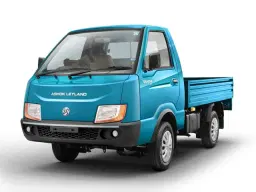
Ashok Leyland Saathi
₹6.50 Lakh Onwards
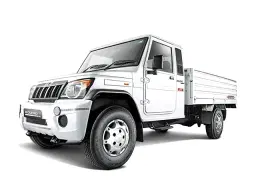
Mahindra Bolero PIK UP FB 1.3T - PS AC
₹10.48 Lakh Onwards
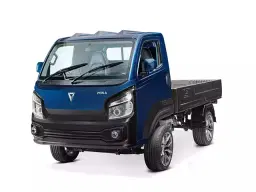
Omega Seiki M1ka
₹15.00 Lakh Onwards
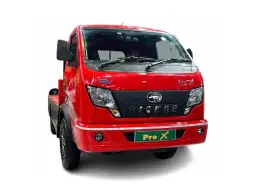
Eicher Pro x
₹17.49 Lakh Onwards
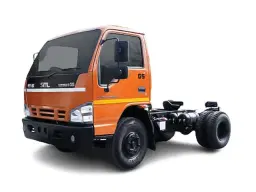
Swaraj Mazda Samrat GS Tipper Chassis
₹21.24 Lakh Onwards
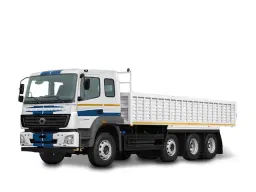
Bharat Benz 3123R
₹40.97 Lakh Onwards
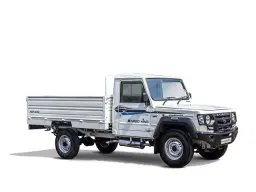
Force Kargo King
₹6.49 Lakh Onwards
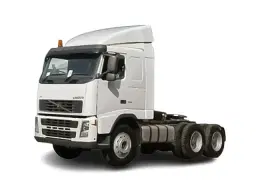
Volvo FM 440 6x4
₹70.00 Lakh Onwards