
Auto Rickshaw Permit Process: A State-Wise Guide for Indian Buyers
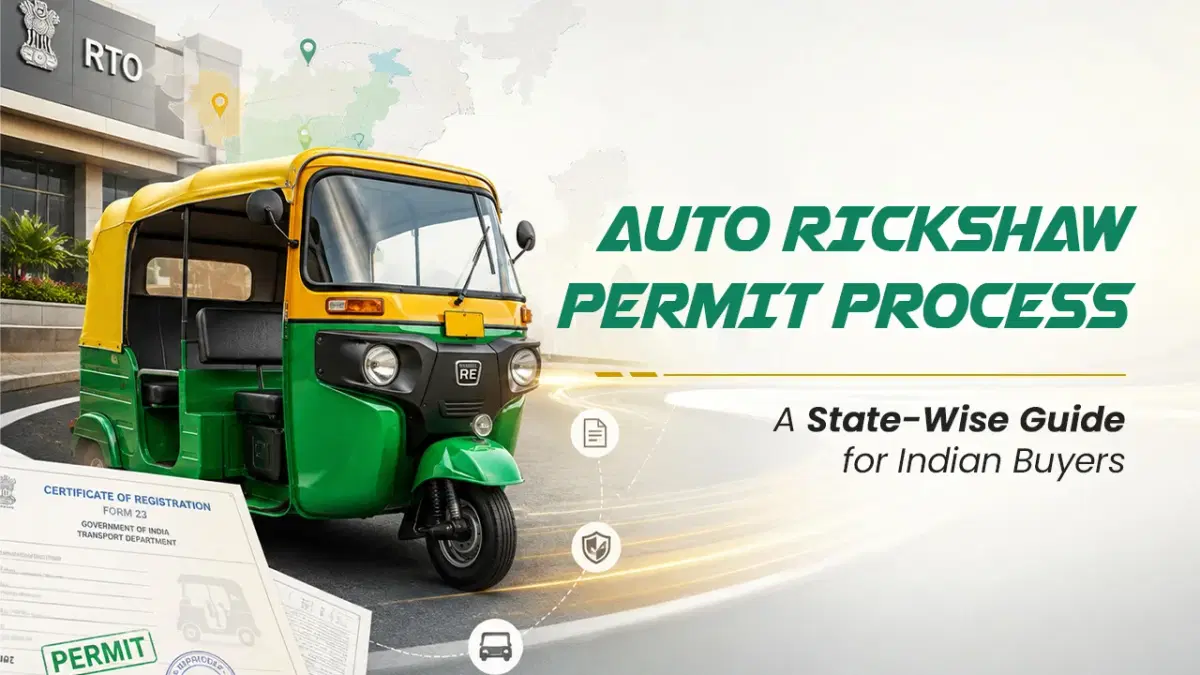
The auto rickshaw permit process is the single most important step that determines whether your three-wheeler can legally operate for commercial use anywhere in India. Every state transport department treats this differently, and a mismatch between your vehicle, your city and your permit category can delay earnings, financing and even registration itself. For anyone buying a CNG, petrol, diesel or electric auto rickshaw in 2026, understanding this process before signing a loan agreement or paying a down payment is what separates a smooth launch into daily earning from months of RTO back-and-forth.
Why the Auto Rickshaw Permit Process Comes Before Everything Else
Most first-time buyers assume registration and permit are the same step. They are not. The registration certificate proves ownership and roadworthiness, while the permit is a separate authorization from the state transport department allowing the vehicle to carry passengers or goods commercially. Lenders financing an auto rickshaw often check permit status, RC details and insurance validity before final disbursement, which means a stalled permit application can directly delay your loan approval. This is why dealers and finance desks increasingly ask buyers to confirm permit availability in their zone before finalizing a purchase.
Choosing the Vehicle and Checking Permit Availability
The starting point of the auto rickshaw permit process is confirming that new permits are actually being issued in your city. Several metro areas, including parts of Delhi and Bengaluru, cap the number of three-wheeler permits issued each year to control congestion, so availability should be checked at the local RTO or state transport portal before you commit to a purchase. Once availability is confirmed, buyers typically choose between a CNG, petrol or electric auto rickshaw depending on fuel cost, route length and local charging or CNG infrastructure. This choice matters because permit categories and fee structures can differ for electric three-wheelers compared to fuel-powered ones in several states.
Documents You Will Need
Every application under the auto rickshaw permit process requires a consistent documentation set, though states may ask for one or two additional items locally. The core list includes:
Aadhaar card and PAN card for identity verification
Address proof and vehicle invoice from the dealer
Registration certificate, valid insurance and pollution certificate where applicable
Driving licence with transport badge, plus bank NOC or loan documents if the vehicle is financed
Missing even one document, particularly the transport badge on the driving licence, is one of the most common reasons applications get stuck at the RTO counter. Buyers who finance their vehicle should keep loan paperwork ready since several RTOs cross-check hypothecation details against the registration certificate.
Applying Through the RTO or State Transport Portal
Once documents are in order, the application moves through the local RTO or, in states with digitized systems, an online state transport portal. This stage covers vehicle registration confirmation, fitness certificate verification, and formal submission of the permit application along with the prescribed fee. Processing timelines vary widely depending on the state and whether the application is for a fresh three-wheeler permit or a renewal, so buyers should confirm the latest fee and turnaround time with the local RTO rather than relying on outdated figures. As of July 2026, several states continue pushing more of this process online, though physical verification at the RTO is still common for new commercial vehicle permits.
CNG and Petrol Rickshaws vs Electric Rickshaws
The auto rickshaw permit process is broadly similar across fuel types, but electric three-wheelers often get faster processing or fee relaxations in states actively promoting EV adoption. CNG rickshaws remain the dominant choice in cities with strong gas infrastructure, and their permit applications typically require the same fitness and insurance checks as petrol variants. Electric auto rickshaws, on the other hand, may face different scrutiny around battery certification and charging documentation depending on the state, so it is worth checking with the RTO whether your auto rickshaw registration category qualifies for any EV-specific incentive or expedited permit route.
State-Wise Permit Guidance for Major Markets
Rules, fees and permit caps differ enough across India that a one-size approach does not work. The table below offers a practical starting reference, but every figure should be confirmed locally since official fees, permit availability and application rules may change.
Metro cities generally impose tighter permit caps and more document scrutiny than smaller towns, where processing tends to be quicker but infrastructure for electric charging or CNG refueling may be limited. This is one of the clearest comparison points buyers should weigh: a smaller town may offer faster RTO permit for auto rickshaw, but daily earning potential and fuel access can differ significantly from a metro route.
What This Means for Daily Earners and Fleet Owners
For a first-time driver or a small fleet operator, permit clarity is not a formality, it is the difference between earning from day one and losing weeks to paperwork delays. A contract carriage permit or passenger transport permit that is still pending can hold up commercial use even after the vehicle is registered and insured. Fleet owners adding multiple units should also account for permit renewal cycles across their vehicles, since staggered renewals can create administrative gaps if not tracked properly.
Before booking or financing an auto rickshaw, confirm permit eligibility and current caps directly with your local RTO or state transport department, since these details shift more often than most buyers expect. Check the on-road price and EMI for the auto rickshaw in your city on Drivio.
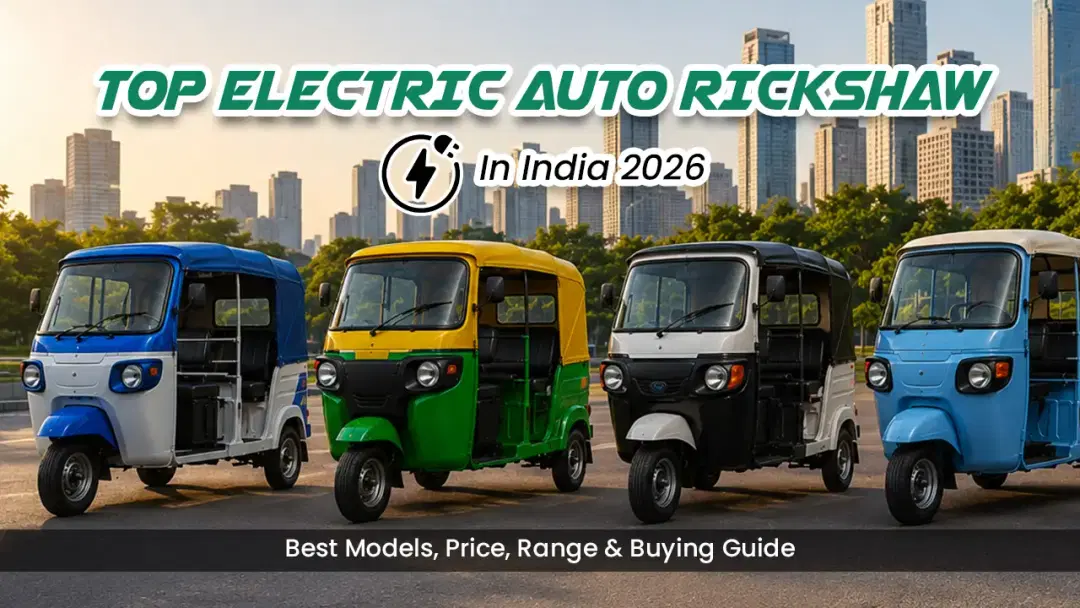
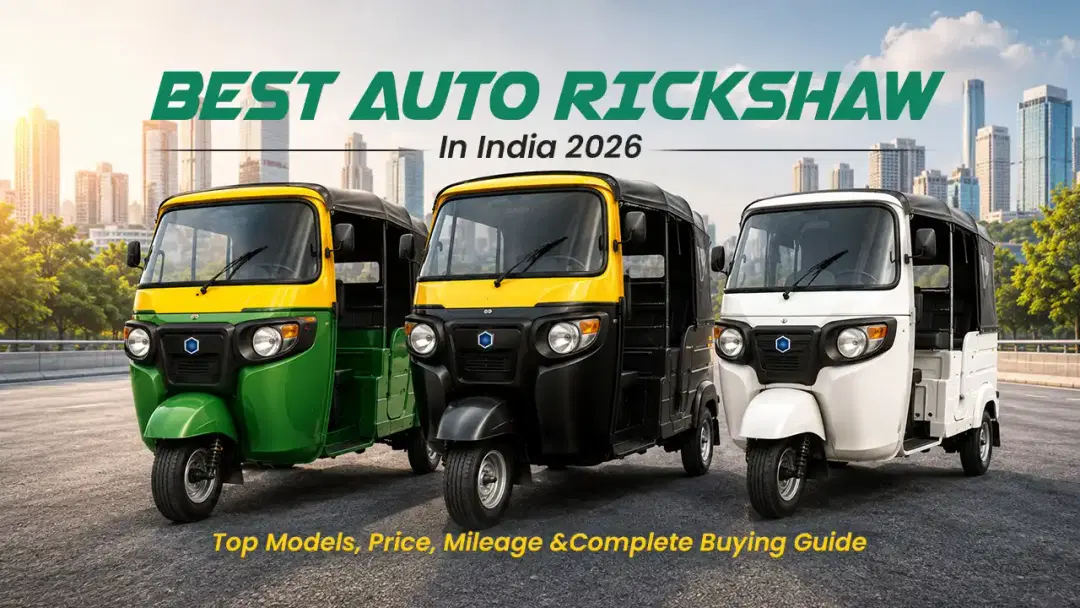
Popular Auto Rickshaws
Altigreen neEV TEZ
₹3.55 Lakh Onwards
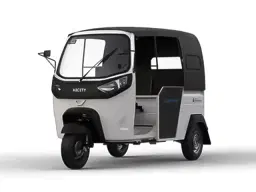
Euler Motors HiCity
₹3.63 Lakh Onwards
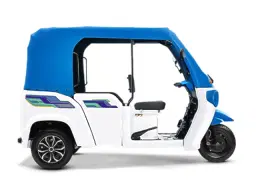
Mahindra Treo plus
Price to be announced
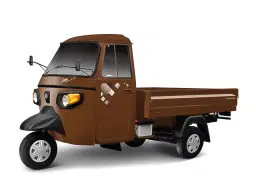
Piaggio Ape Xtra LDX Plus HT
₹2.45 Lakh Onwards
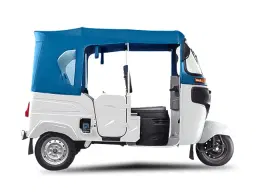
Bajaj Re e-tec 9.0
₹3.76 Lakh Onwards
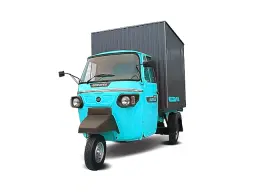
Greaves Mobility ELC 3 Wheeler
₹3.67 Lakh Onwards
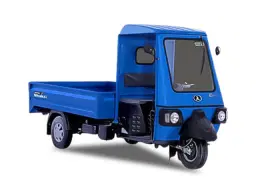
ATUL Gem Cargo 200 Bi Fuel CNG
₹2.65 Lakh Onwards
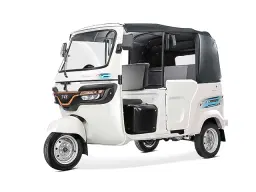
TVS King ev max
₹2.95 Lakh Onwards
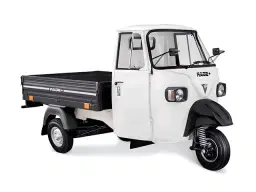
Omega Seiki Rage Plus 125
₹4.09 Lakh Onwards
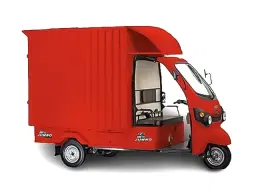
Kinetic Safar Shakti Jumbo
₹3.40 Lakh Onwards