
Best E-Rickshaw Models in India 2026 – Top Models, Price, Range & Complete Buying Guide
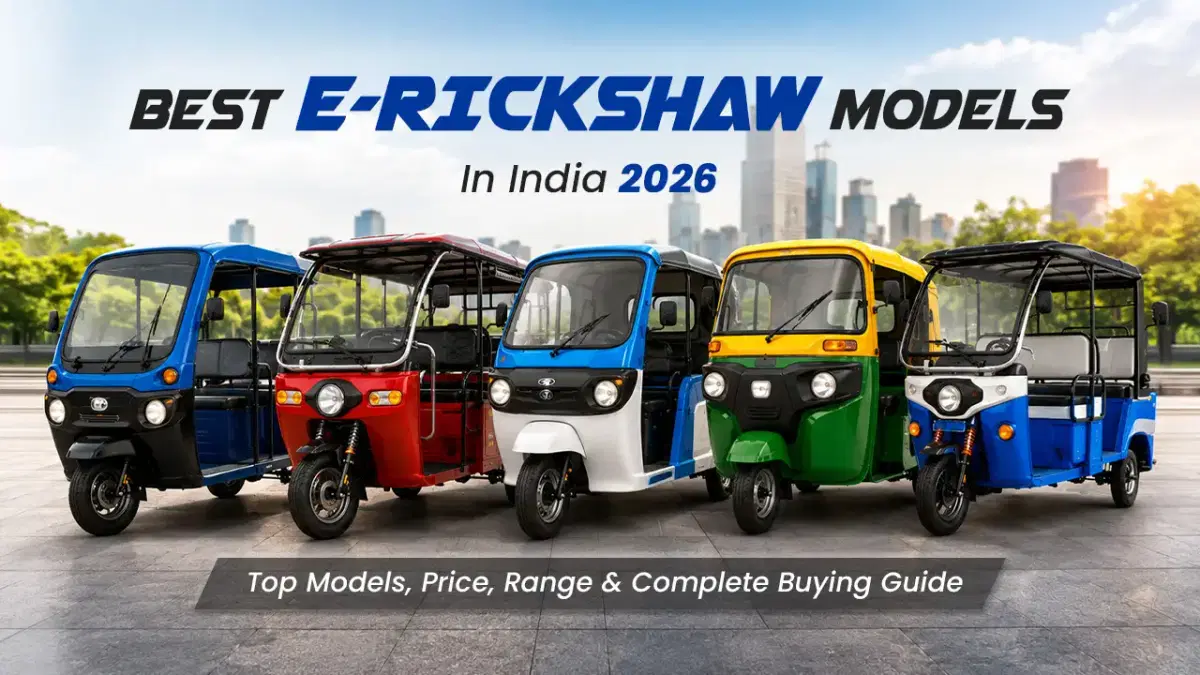
Best E-Rickshaw Models in India 2026
Introduction to the E-Rickshaw Market in India
The e-rickshaw has become one of the most visible symbols of India's grassroots electric mobility revolution. Unlike the premium electric auto-rickshaw market driven by established OEMs, the e-rickshaw segment is characterised by a diverse ecosystem of small and medium manufacturers producing simple, low-cost battery-electric four-wheeled rickshaws that have proliferated rapidly across tier-2, tier-3, and rural Indian markets over the past decade.
E-rickshaws are particularly dominant in North India. Delhi NCR, Uttar Pradesh, Bihar, West Bengal, and Rajasthan account for the largest volumes, but adoption has spread to virtually every Indian state. Their low purchase cost, minimal maintenance requirements, and zero-fuel running costs have made them accessible to transport entrepreneurs who previously could not afford any motorised commercial vehicle.
The segment is divided into lead-acid battery models, which are cheaper but less durable, and lithium-ion battery models that offer longer range, better reliability, and stronger long-term ownership economics.
Market Demand and Trends
E-rickshaws have captured a substantial share of India's last-mile passenger and cargo transport market in areas where conventional auto-rickshaws were previously dominant. Their noiseless operation, low operating costs, and ability to charge from standard household electrical connections have transformed local transportation economics.
Estimates suggest more than 1.5 million e-rickshaws are operating across India in 2026, with North India accounting for the majority of deployments.
Regulatory clarification and standardisation over recent years have improved quality control through mandatory type approval, speed governors, and enhanced safety standards. This has encouraged established manufacturers to enter the segment with higher-quality products.
The lithium-ion e-rickshaw category is growing faster than lead-acid alternatives as battery prices decline and awareness of total ownership cost benefits improves.
E-Rickshaw Buying Guide
The most important buying decision revolves around battery technology.
Lead-Acid Battery E-Rickshaws
Lead-acid battery e-rickshaws typically cost between ₹90,000 and ₹1.4 lakh. However, they require battery replacement every 12–18 months, with replacement costs ranging from ₹15,000 to ₹25,000.
Lithium-Ion Battery E-Rickshaws
Lithium-ion models generally cost between ₹1.3 lakh and ₹2.2 lakh. Their batteries are rated for approximately 1,500–2,000 charge cycles, translating to four to six years of daily operation with significantly lower maintenance requirements.
Other important considerations include motor power, braking performance, vehicle construction quality, passenger comfort, weather protection, and service network availability.
Lohia Auto Comfort E-Rickshaw (Lithium)
Lohia Auto is among India's most established e-rickshaw manufacturers. The Comfort Lithium series represents the premium end of the organised e-rickshaw market.
Powered by a 1000W BLDC motor and a 120Ah 48V lithium iron phosphate battery pack, the vehicle delivers a real-world range of approximately 100–120 km per charge while carrying four passengers.
The vehicle features a fully enclosed passenger compartment, comfortable seating, hydraulic disc brakes, good ground clearance, and superior chassis quality compared to most unorganised alternatives.
Key Specifications
| Specification | Lohia Comfort Lithium |
|---|---|
| Motor | 1000W BLDC |
| Battery | 120Ah 48V LFP Lithium-Ion |
| Range | 100–120 km |
| Charging Time | 6–8 Hours |
| Warranty | 2 Years |
| Price | ₹1.6–1.9 Lakh |
Saarthi E-Rickshaw
Saarthi is one of India's highest-volume e-rickshaw brands and enjoys strong popularity across Uttar Pradesh, Bihar, and Jharkhand.
The standard lead-acid variant costs between ₹95,000 and ₹1.2 lakh and uses a 1000W motor paired with a 100Ah 48V battery pack delivering approximately 80–100 km range.
Its popularity is supported by strong spare-parts availability and widespread mechanic familiarity across North India.
Key Specifications
| Specification | Saarthi E-Rickshaw |
|---|---|
| Motor | 1000W |
| Battery | 100Ah 48V Lead-Acid |
| Range | 80–100 km |
| Passenger Capacity | 4 Passengers |
| Price | ₹95,000–1.2 Lakh |
The lithium-ion version costs approximately ₹1.4–1.7 lakh and offers significantly improved battery life.
Mahindra Treo Yaari
The Mahindra Treo Yaari bridges the gap between premium electric three-wheelers and conventional e-rickshaws. It combines Mahindra's engineering standards with a more accessible price point.
The vehicle offers lithium-ion battery technology, organised service support, and a range of approximately 100–120 km per charge.
Key Specifications
| Specification | Mahindra Treo Yaari |
|---|---|
| Battery Type | Lithium-Ion |
| Range | 100–120 km |
| Passenger Capacity | 4 Passengers |
| Price | ₹2.0–2.5 Lakh |
Bajaj RE EV
The entry-level variants of the Bajaj RE EV compete with premium e-rickshaws while offering the advantages of Bajaj's trusted service network and established brand reputation.
Its superior battery management system, build quality, and after-sales support justify the higher purchase price for many operators.
Key Specifications
| Specification | Bajaj RE EV |
|---|---|
| Battery Type | Lithium-Ion |
| Range | 150–170 km |
| Charging Time | 3.5–4 Hours |
| Price | ₹2.9–3.5 Lakh |
YC Electric
YC Electric is one of the emerging dedicated e-rickshaw brands offering lithium-ion products at increasingly competitive prices.
Its models feature 1200W motors, 120Ah 48V lithium battery packs, and a real-world range of 100–130 km per charge.
Key Specifications
| Specification | YC Electric |
|---|---|
| Motor | 1200W |
| Battery | 120Ah 48V Lithium-Ion |
| Range | 100–130 km |
| Price | ₹1.3–1.6 Lakh |
Price Comparison
| Model | Price Range |
|---|---|
| Saarthi Lead-Acid | ₹95,000–1.2 Lakh |
| YC Electric | ₹1.3–1.6 Lakh |
| Lohia Comfort Lithium | ₹1.6–1.9 Lakh |
| Mahindra Treo Yaari | ₹2.0–2.5 Lakh |
| Bajaj RE EV | ₹2.9–3.5 Lakh |
Range and Battery Life Comparison
| Model Type | Range When New | Range After Years of Use |
|---|---|---|
| Lead-Acid | 80–100 km | 50–70 km |
| Lithium-Ion | 100–130 km | 80–90 km |
Maintenance and Service Analysis
E-rickshaws are among the simplest commercial vehicles to maintain. The electric drivetrain eliminates engine oil, clutch, gearbox, and exhaust system maintenance.
Routine maintenance typically includes tyre replacement, brake servicing, battery management, and occasional motor controller inspections.
Lithium-ion battery vehicles are virtually maintenance-free during their warranty period, whereas lead-acid batteries require regular watering and equalisation charging.
Best E-Rickshaw for Business Use
For organised fleet operations, the Mahindra Treo Plus and Treo Yaari offer the strongest business proposition due to superior reliability and OEM-backed service support.
For independent owner-operators seeking the best value lithium option, the Lohia Comfort Lithium stands out as a compelling choice.
Budget-conscious buyers may prefer Saarthi or similar lead-acid e-rickshaws for their low initial investment.
Electric vs ICE Three-Wheelers
In markets where e-rickshaws are well accepted, electric vehicles offer a significantly stronger financial case than internal combustion alternatives.
The running cost advantage can translate into monthly savings of ₹6,000–₹12,000 depending on operating conditions, making electric vehicles the more profitable long-term choice.
EMI and Financing
E-rickshaw financing is available through Mahindra Finance, Bajaj Finance, NBFCs, cooperative banks, and government-backed schemes such as PM Mudra Yojana.
A ₹1.5 lakh lithium e-rickshaw financed at 10% interest over 24 months results in an approximate EMI of ₹7,200 per month.
Future Market Trends
The e-rickshaw segment is expected to continue expanding as lithium battery prices decline, charging infrastructure improves, and regulatory standards become more robust.
Battery-swapping networks, stronger OEM participation, and better service ecosystems will further accelerate adoption across India's smaller cities and towns.
By 2028, lithium-ion e-rickshaws may achieve price parity with today's lead-acid models, fundamentally changing the economics of the segment.
Final Verdict
For buyers seeking the lowest possible entry cost, the Saarthi lead-acid e-rickshaw remains a practical option. However, buyers who can invest ₹1.5–1.9 lakh should strongly consider the Lohia Comfort Lithium for its superior reliability and ownership economics.
Those seeking OEM-backed support and warranty protection should look toward the Mahindra Treo Yaari or Bajaj RE EV.
India's e-rickshaw market now offers options across every budget range, but choosing lithium-ion battery technology wherever possible remains the smartest long-term investment for operators in 2026.
Popular Auto Rickshaws
Altigreen neEV TEZ
₹3.55 Lakh Onwards
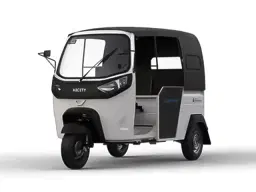
Euler Motors HiCity
₹3.63 Lakh Onwards
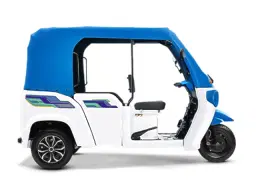
Mahindra Treo plus
Price to be announced
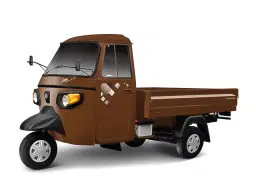
Piaggio Ape Xtra LDX Plus HT
₹2.45 Lakh Onwards
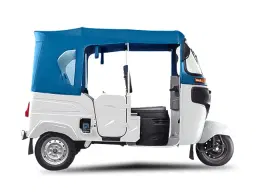
Bajaj Re e-tec 9.0
₹3.76 Lakh Onwards
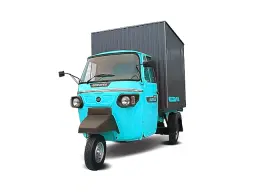
Greaves Mobility ELC 3 Wheeler
₹3.67 Lakh Onwards
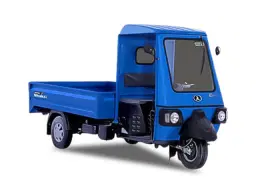
ATUL Gem Cargo 200 Bi Fuel CNG
₹2.65 Lakh Onwards
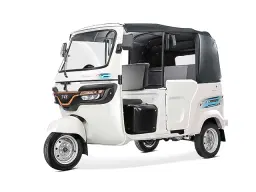
TVS King ev max
₹2.95 Lakh Onwards
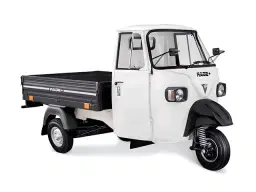
Omega Seiki Rage Plus 125
₹4.09 Lakh Onwards
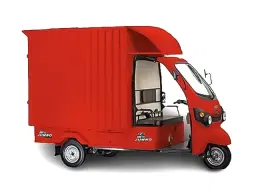
Kinetic Safar Shakti Jumbo
₹3.40 Lakh Onwards