
Lithium Battery vs Lead Acid Battery E-Rickshaws: Which Is Better in 2026?
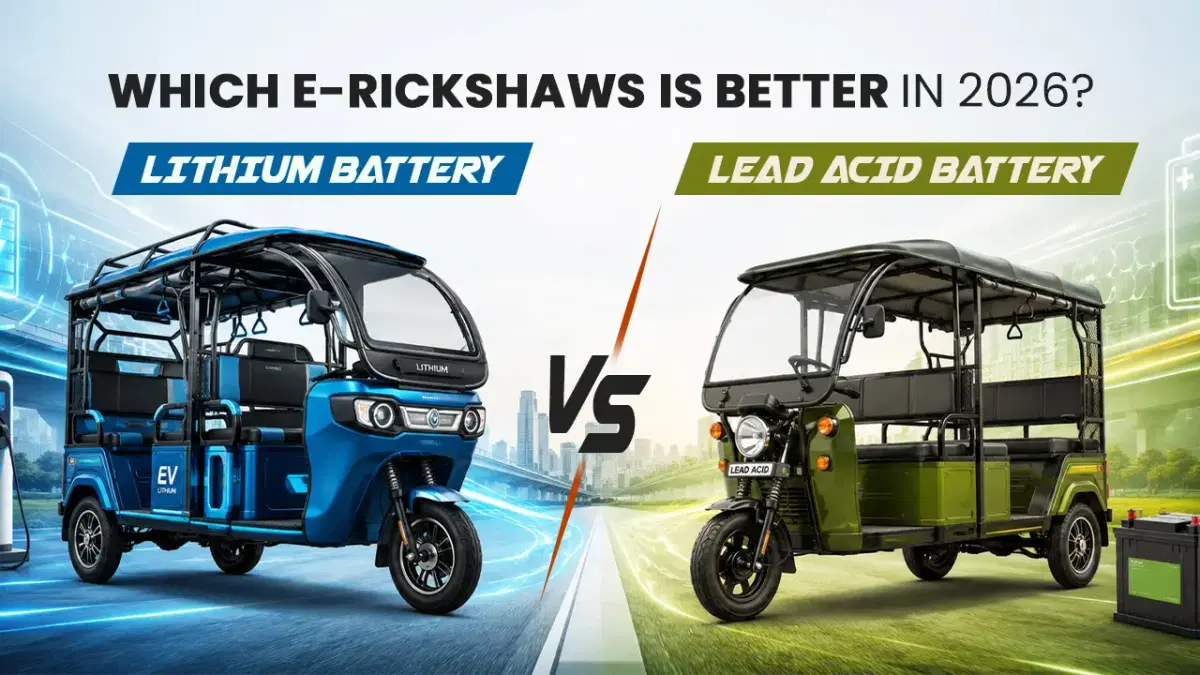
Lithium Battery vs Lead Acid Battery E-Rickshaws remains the single biggest financial decision facing e-rickshaw buyers across India in July 2026, and the answer isn't the same for every driver. A lithium-powered e-rickshaw typically costs ₹1.60 lakh to ₹2.25 lakh on-road, while a lead acid variant is priced closer to ₹1.25 lakh to ₹1.70 lakh — a gap of roughly ₹35,000 to ₹55,000 that decides which vehicle a first-time buyer can actually afford. But purchase price is only half the story. Battery choice shapes daily earning capacity, EMI comfort, charging downtime and eventual resale value, which is why this decision deserves more thought than most buyers give it.
Which E-Rickshaw Battery Is Better in India?
There's no single correct answer, because the right choice depends on how many kilometres you run every day and how much cash you have upfront. A lead acid battery e-rickshaw suits a driver with a tight budget and a short, predictable route near home. A lithium battery e-rickshaw suits a driver clocking high daily mileage who can absorb a bigger down payment in exchange for lower running costs over three to five years. On-road price in Delhi or Mumbai will vary further depending on registration, insurance, permit cost and dealer charges, so these figures are a starting reference, not a fixed number.
Purchase Price and EMI Suitability
Electric auto rickshaw finance schemes usually calculate EMI as a percentage of on-road price, so a lead acid e-rickshaw naturally comes with a smaller monthly instalment. For a driver with limited savings and no guarantor, that lower entry point often makes the difference between getting approved and getting rejected. Lithium buyers pay more per month initially, but many finance companies now factor in the battery's longer service life when structuring tenure, which can soften the EMI curve over a three-year loan. If you're comparing electric three-wheeler loan options, ask the lender directly whether they adjust EMI terms based on battery type, because not all of them do.
Charging Time and Daily Downtime
This is where the two technologies separate sharply. Lead acid batteries typically need 7–10 hours to charge fully, which usually means an overnight charge and one usable shift the next day. Lithium batteries charge in roughly 3–5 hours, letting a driver top up during a lunch break or a slow afternoon and still get a second productive shift in. For an owner-driver whose income depends entirely on hours on the road, that difference in downtime can add up to several extra trips a week, which matters more than the sticker price once you're a few months in.
Daily Range and Real-World Performance
Lead acid e-rickshaws usually deliver around 70–90 km per charge in real-world conditions, which is often enough for short intra-city routes with frequent stops. Lithium e-rickshaws usually manage 90–130 km per charge, depending on battery capacity, passenger load and route terrain, making them better suited to longer routes or drivers covering multiple neighbourhoods in a single shift. Stop-go traffic, summer heat and heavy passenger load all reduce range for both battery types, but lead acid batteries tend to lose capacity faster as they age, while lithium cells hold their rated range more consistently across their working life.
Maintenance, Load Handling and Battery Life
Lead acid batteries demand regular water top-ups, terminal cleaning and careful charging discipline to avoid sulfation, and neglecting this maintenance shortens their already limited lifespan. Lithium batteries are largely maintenance-free and tolerate deep discharge cycles far better, which matters on routes with poor road patches and constant braking. On load carrying ability, lithium packs are noticeably lighter for the same energy capacity, which translates into slightly better acceleration and less strain on the motor when carrying a full passenger load. Over a typical ownership period, e-rickshaw running cost calculations consistently favour lithium once you factor in fewer replacement cycles and steadier performance.
Battery Replacement Cost and Long-Term Ownership
This is the number that changes minds. Lead acid battery replacement cost runs approximately ₹25,000 to ₹45,000, and most owners face this expense every 12 to 18 months under commercial use. Lithium battery replacement cost is higher, approximately ₹60,000 to ₹90,000 depending on capacity and brand, but a well-maintained lithium pack commonly lasts 4 to 5 years before needing replacement. Run the arithmetic over three years and a lead acid owner may pay for two full replacements, while a lithium owner may not need one at all — which is the real argument behind the e-rickshaw battery replacement cost comparison that experienced fleet buyers make before they buy.
Resale Value
A lithium e-rickshaw generally holds resale value better because buyers in the used market increasingly ask about battery type before negotiating price. A lead acid e-rickshaw nearing its second battery replacement often sells for noticeably less, since the buyer knows a costly replacement is imminent. Fleet buyers evaluating best e-rickshaws in India for resale potential should treat battery chemistry as a resale factor, not just a running-cost factor.
The upfront price vs lifetime cost comparison ultimately depends on how many kilometres you're putting in every day. A driver running a short, fixed neighbourhood route with limited capital is better served by a lead acid e-rickshaw — the lower purchase price and smaller EMI matter more than the extra replacement cycles when cash flow is tight. A driver or fleet operator covering long distances daily, or anyone planning to keep the vehicle for four-plus years, comes out ahead with lithium, because reduced downtime, fewer replacements and stronger resale value offset the higher entry cost within roughly two to three years of ownership. Check the on-road price and EMI for the e-rickshaw in your city on Drivio.




Popular Auto Rickshaws
Altigreen neEV TEZ
₹3.55 Lakh Onwards
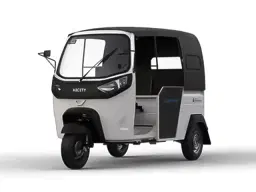
Euler Motors HiCity
₹3.63 Lakh Onwards
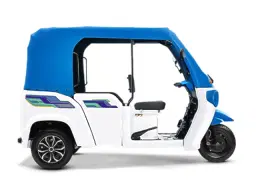
Mahindra Treo plus
Price to be announced

Piaggio Ape Xtra LDX Plus HT
₹2.45 Lakh Onwards
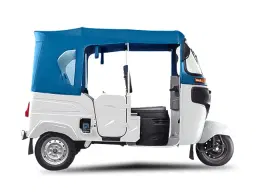
Bajaj Re e-tec 9.0
₹3.76 Lakh Onwards
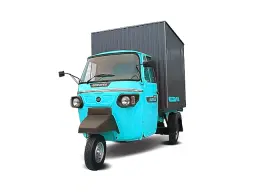
Greaves Mobility ELC 3 Wheeler
₹3.67 Lakh Onwards
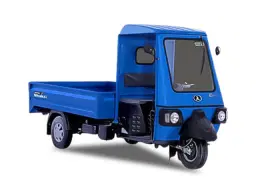
ATUL Gem Cargo 200 Bi Fuel CNG
₹2.65 Lakh Onwards
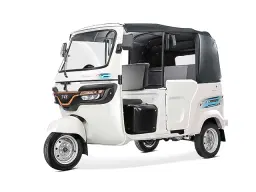
TVS King ev max
₹2.95 Lakh Onwards
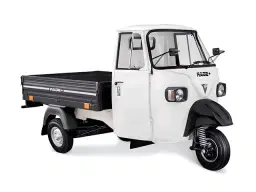
Omega Seiki Rage Plus 125
₹4.09 Lakh Onwards
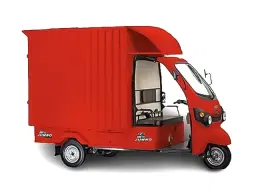
Kinetic Safar Shakti Jumbo
₹3.40 Lakh Onwards