
Best Auto Rickshaw Finance Options in India: What Every Buyer Needs to Know
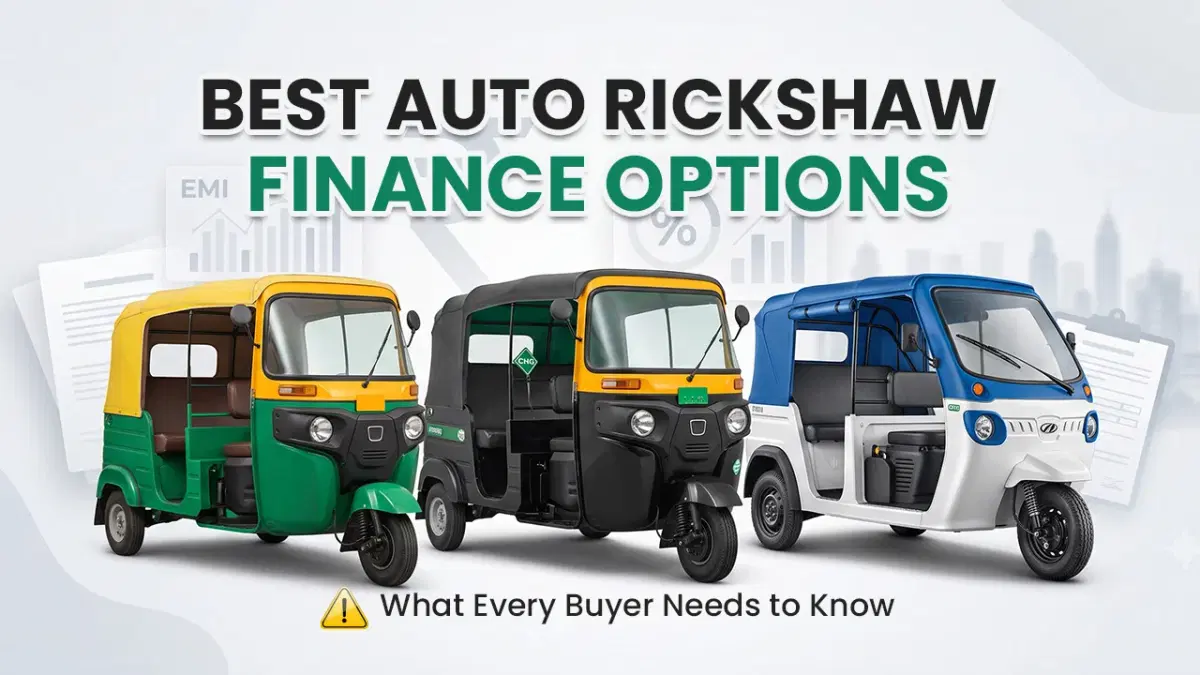
Finding the best auto rickshaw finance options in India depends on five variables that lenders weigh before approving a single rupee: down payment capacity, credit score, vehicle type, loan tenure and on-road price in your city. For a self-employed driver buying his first vehicle or a small fleet operator adding a third unit, getting the finance structure right matters as much as choosing the right auto. In July 2026, with CNG costs steady and electric three-wheelers gaining ground in tier-1 and tier-2 cities, the auto rickshaw loan landscape has more variety — and more room to make the wrong call.
How Auto Rickshaw Loans Work in India
A standard auto rickshaw loan in India follows the same broad logic as any commercial vehicle loan: the lender covers 70–90% of the on-road price, and the buyer arranges the rest as margin money or down payment. Loan tenure typically runs from 12 to 48 months, though some NBFCs extend to 60 months for new electric autos to keep EMIs manageable. Interest rates are not fixed and can vary significantly by lender, credit profile and vehicle category — bank rates for commercial vehicle loans in India generally start around 10–14% per annum, while NBFC rates can range from 14–24% p.a. depending on applicant risk. The vehicle is hypothecated to the lender until the loan is fully repaid, meaning the RC book will carry the financier's name.
Processing fees and documentation charges are typically ₹2,000–₹6,000 and are usually deducted upfront or rolled into the first EMI. On-road price is not the showroom sticker — RTO registration, road tax, insurance, permit fee and green tax in some cities can add ₹15,000–₹60,000 to the base price depending on state and vehicle type. In Delhi, a new CNG auto rickshaw with permit lands roughly at ₹3.5–4.5 lakh on-road. In smaller cities, the same vehicle may cost ₹2.8–3.5 lakh.
Auto Rickshaw Loan EMI and Down Payment: Running the Numbers
This is where most first-time buyers miscalculate. Take a new CNG auto rickshaw with an on-road price of ₹3.5 lakh. With a 10% down payment of ₹35,000, the loan amount is ₹3.15 lakh. At an indicative rate of 16% p.a. over 36 months, the approximate auto loan EMI works out to ₹11,000–₹12,000 per month. A driver earning ₹800–₹1,200 per day net in a reasonably busy city can service this — but only if CNG fill-ups, minor maintenance and permit renewal costs are kept in check.
Buyers who manage a stronger down payment — say 20–25%, roughly ₹70,000–₹87,500 on the same vehicle — bring the EMI down to ₹8,500–₹10,000 and reduce default risk during lean months. Lenders read this margin money as a signal of financial discipline. CIBIL score plays a direct role in approval speed and interest rate: applicants scoring above 700 typically qualify for better rates and higher loan-to-value ratios. Those below 650 may face rejection or significantly higher rates, and the lender may also ask for a guarantor — often a salaried family member with a clean credit history.
Documents Required for Auto Rickshaw Finance
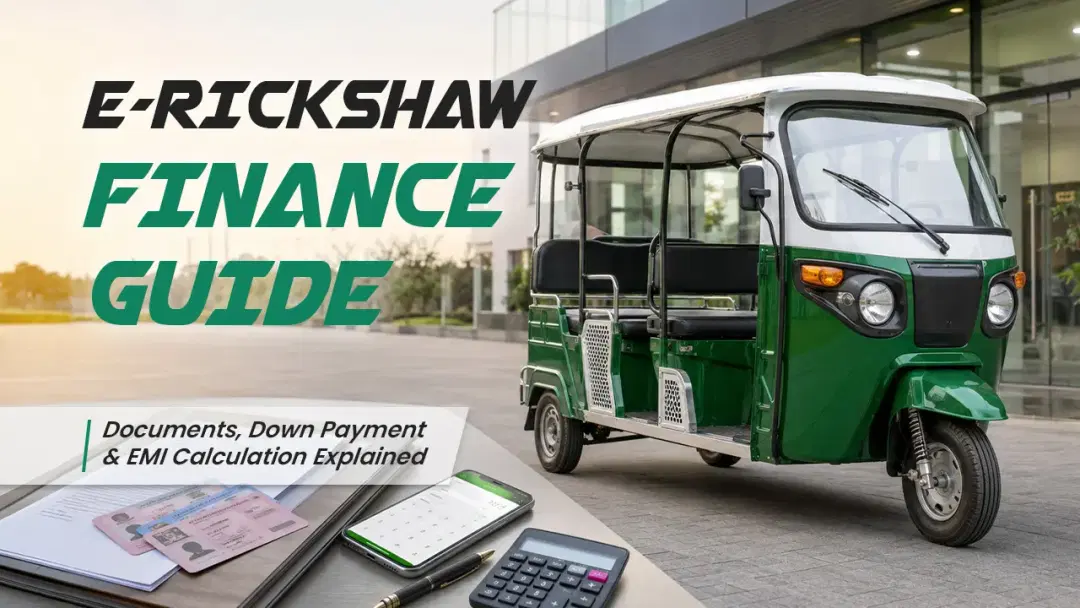
Lenders across banks, NBFCs and dealer finance arms ask for a consistent set of documents: Aadhaar card, PAN card, valid driving licence with transport endorsement, three to six months of bank statements, address proof, income proof or business proof (daily earnings certificate or ITR for fleet owners), and a vehicle quotation from the dealer. Route permit documentation or a permit application proof is often required for commercial registration approvals, particularly in metro cities.
New vs Used vs Electric: Comparing Your Three-Wheeler Finance Options
Understanding the best auto rickshaw finance options in India means comparing three distinct routes — new, used and electric — and the choice comes down to what the buyer is optimising for: upfront cost, monthly outflow or long-term earnings potential.
New CNG auto rickshaws priced at ₹2.5–4 lakh ex-showroom carry the most predictable finance terms. Banks and NBFCs are comfortable lending against new vehicles, interest rates tend to be lower, and warranty coverage limits the risk of large repair bills during the loan tenure. This is the default route for first-time buyers with decent credit and a down payment above ₹50,000.
Used auto rickshaws typically cost ₹80,000–₹2 lakh depending on age, condition and city. Three-wheeler finance for used vehicles is available through select NBFCs and regional lenders, though terms are tighter — loan-to-value ratios often cap at 60–70%, rates are higher, and tenures are shorter at 12–24 months. The upside is a much lower EMI, sometimes ₹3,500–₹6,000 per month, which works for buyers with limited credit history who want to start small and build a repayment record before upgrading.
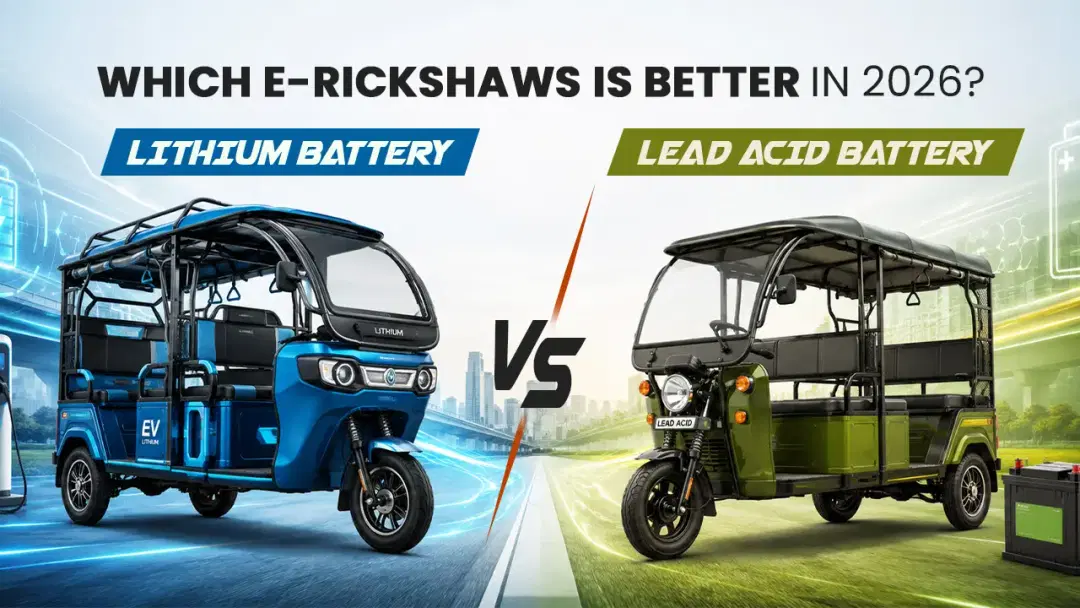
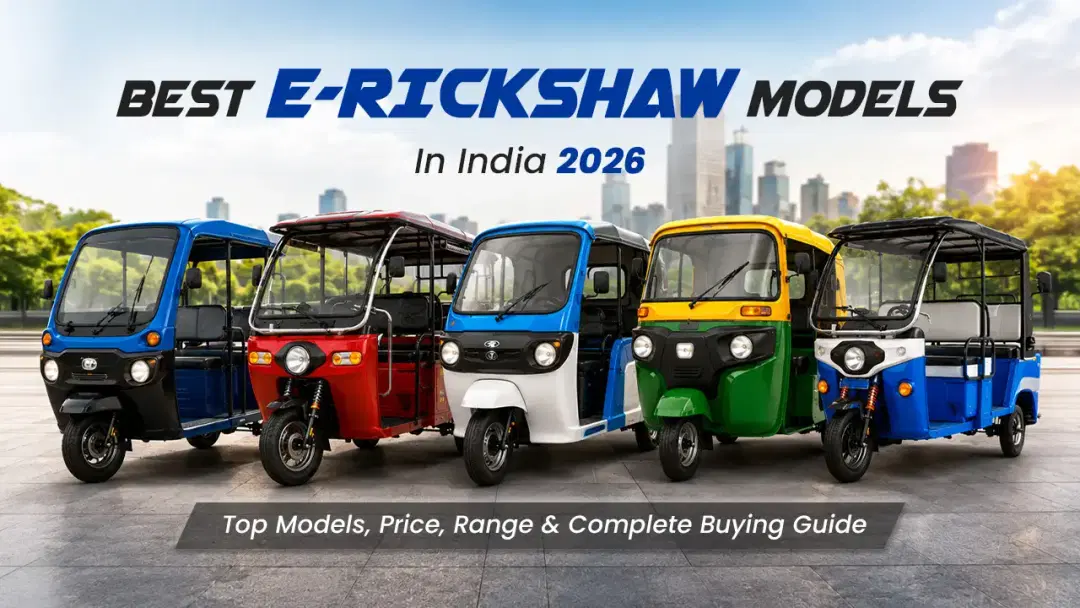
Electric auto rickshaws priced at ₹1.2–3 lakh attract dedicated EV finance schemes from lenders partnering with OEMs, and some state government subsidy programmes further reduce the effective loan amount. Running costs are significantly lower versus CNG, but battery replacement cost after four to five years is a planning factor many buyers overlook. If you're evaluating which electric model makes sense before approaching a lender, Drivio's coverage of the best electric auto rickshaws in India offers a model-wise breakdown with on-road pricing by city.
Bank vs NBFC vs Dealer Finance: Who Should You Approach
Banks offer the most competitive rates but have stricter eligibility requirements — they typically want a CIBIL score above 700 and verifiable formal income. NBFCs like Mahindra Finance, Shriram Finance and Sundaram Finance are more accessible for self-employed applicants with informal daily income but charge higher rates to offset that risk. Dealer finance is the most convenient at the showroom level but often bundles insurance and accessories that inflate the effective loan amount and tenure.
Fleet operators buying two or more vehicles can sometimes negotiate bulk commercial vehicle loan terms directly with NBFC relationship managers — worth asking before signing any individual loan agreement. Foreclosure charges also vary: some lenders allow prepayment after six to twelve EMIs with a 2–4% charge on the outstanding principal; others lock the loan for the full tenure. Read the fine print on foreclosure before committing.
Which Is the Best Auto Rickshaw Finance Option in India for You
First-time drivers buying a new CNG auto should target a 15–20% down payment and a 36-month tenure with a bank or reputed NBFC — the EMI stays manageable and the shorter tenure limits total interest outflow. Buyers focused on low running cost should look seriously at electric auto rickshaw finance, particularly in cities with EV permit advantages and reliable charging infrastructure; Drivio's coverage of the best e-rickshaws in India can help narrow down the right model before you approach a lender. Small fleet owners adding to an existing fleet are often better served by NBFC commercial vehicle loan products that allow multiple vehicles to be hypothecated under a single borrower profile. Buyers with limited down payment — under ₹30,000 — should start with the used auto rickshaw finance route, build a repayment history over 18–24 months, and then refinance into a new vehicle.
Check the on-road price and EMI for your preferred auto rickshaw in your city on Drivio.
Popular Auto Rickshaws
Altigreen neEV TEZ
₹3.55 Lakh Onwards
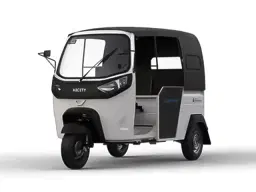
Euler Motors HiCity
₹3.63 Lakh Onwards
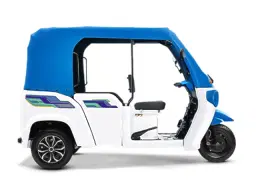
Mahindra Treo plus
Price to be announced
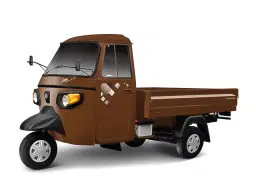
Piaggio Ape Xtra LDX Plus HT
₹2.45 Lakh Onwards
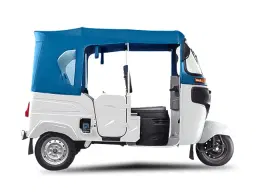
Bajaj Re e-tec 9.0
₹3.76 Lakh Onwards
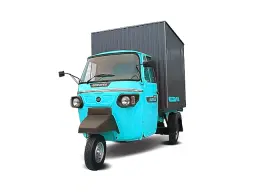
Greaves Mobility ELC 3 Wheeler
₹3.67 Lakh Onwards
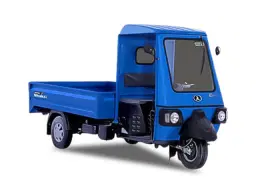
ATUL Gem Cargo 200 Bi Fuel CNG
₹2.65 Lakh Onwards
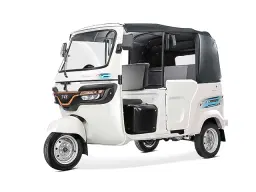
TVS King ev max
₹2.95 Lakh Onwards
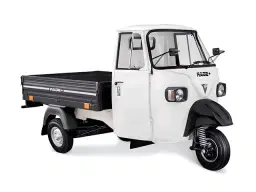
Omega Seiki Rage Plus 125
₹4.09 Lakh Onwards
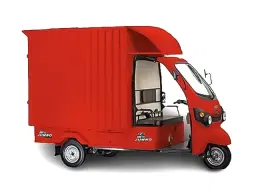
Kinetic Safar Shakti Jumbo
₹3.40 Lakh Onwards