
Bus Maintenance Guide for Fleet Owners: Costs, Schedules & Checklist (2026)
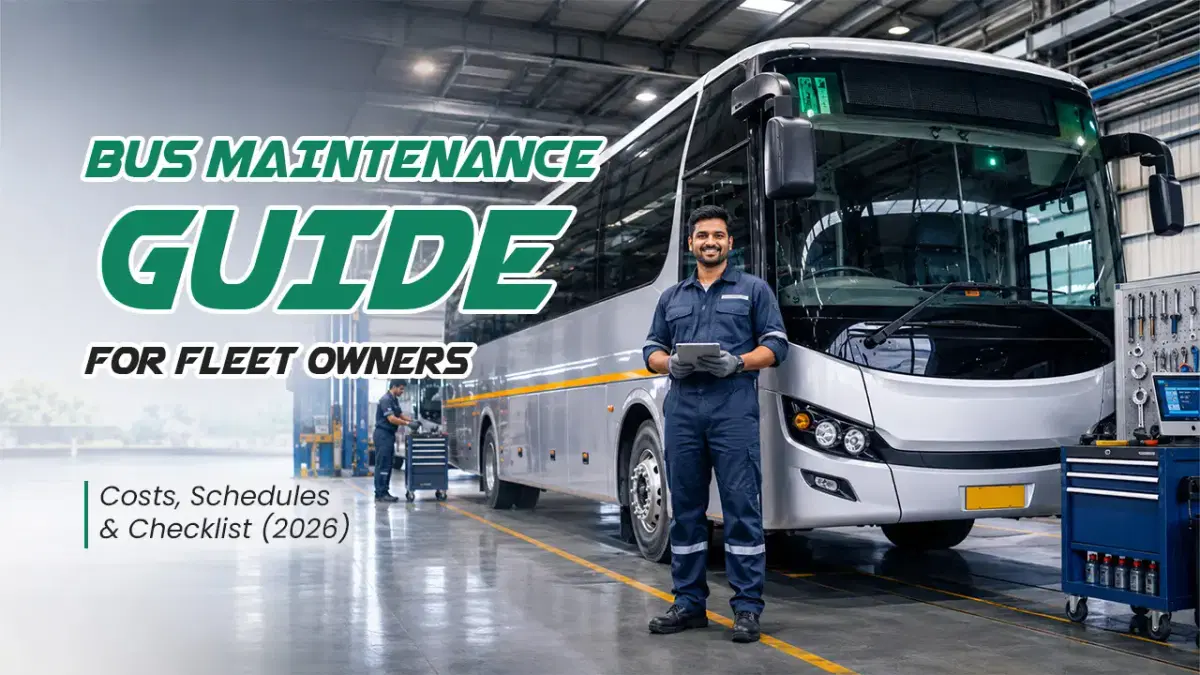
Bus maintenance guide for fleet owners has become essential reading in July 2026, as diesel prices in Delhi hold steady around ₹95 per litre and every rupee saved on upkeep now shows up directly in route profitability. For a typical 32-seater school bus or 40-seater staff transport vehicle, monthly maintenance in India runs approximately ₹8,000 to ₹15,000, depending on age, annual kilometres and whether the vehicle is under an AMC. For fleet owners running multiple routes, the difference between a well-planned service schedule and reactive repairs can mean the gap between a profitable month and one eaten up by breakdown costs, missed school runs and unhappy corporate transport contracts.
Why a Bus Maintenance Guide for Fleet Owners Matters More Than Ever
Indian roads are unforgiving on commercial vehicles. Potholed city stretches, waterlogged monsoon routes and long highway hauls all accelerate wear on suspension bushes, leaf springs and tyres far faster than manufacturer service charts assume. A single unplanned breakdown on a school run or a tourist permit trip does not just cost repair money — it costs reputation, contract renewals and sometimes the permit renewal window itself. This is exactly why a structured bus maintenance guide for fleet owners needs to move beyond generic advice and address real operating conditions: bad roads, driver habits, route length and vehicle age all combine to determine actual cost of ownership.
Engine, Oil and the Basics That Prevent Bigger Bills
Diesel bus maintenance typically starts with engine oil and filter changes every 8,000 to 10,000 km, though operators running buses on dusty rural routes often shorten this interval to protect the engine from premature wear. Air filter checks, fuel filter replacement and coolant flushing every few months prevent overheating, which is one of the most common causes of highway breakdowns on long-distance routes. Clutch plate life and gearbox health also deserve attention on buses running frequent stop-start city routes, since aggressive city driving wears these components faster than steady highway running does. Skipping these basics rarely saves money — it typically just shifts a smaller bill now into a much larger one later, often at the worst possible time.
Brakes, Suspension and Tyres: Where Safety Meets Cost Control
Brake inspection is non-negotiable for any commercial bus service schedule, particularly for buses carrying school children or working hill routes with steep descents. Brake lining wear should be checked monthly, and full brake system servicing is generally recommended every 15,000 to 20,000 km depending on route terrain. Suspension bush and leaf spring inspection matters just as much, especially for buses running on broken city roads or unpaved rural stretches, where premature suspension failure is common. Bus tyre replacement cost is one of the largest recurring expenses fleet owners face, with a full set for a mid-size bus typically running ₹1.2 lakh to ₹1.8 lakh, making tyre rotation and wheel alignment every 8,000 to 10,000 km one of the more cost-effective habits an operator can adopt.
Electrical, Battery and Comfort Systems
Battery health checks and load testing prevent the frustrating scenario of a bus refusing to start on a cold winter morning or after a long monsoon halt. Electrical wiring and lighting inspection is particularly important on older buses, where corrosion from monsoon moisture can cause intermittent faults that are difficult to trace later. AC maintenance for staff and tourist buses deserves its own attention, since AC compressor and condenser issues are among the most common passenger complaints on premium routes, and neglecting this system tends to affect both comfort ratings and repeat contracts. Body rust and floor condition checks, alongside emergency exit, first-aid kit and fire extinguisher verification, round out the areas that Indian transport authorities increasingly scrutinise during permit renewal inspections.
Preventive Maintenance vs Breakdown Repair
Preventive maintenance for buses consistently proves cheaper over a full year than breakdown repair, even though the monthly outlay looks higher on paper. Fleet owners who wait for failures typically pay more per incident, lose route uptime on school or staff contracts, and see faster resale value decline because deferred maintenance shows up clearly during resale inspections.
Electric Buses: A Different Maintenance Profile
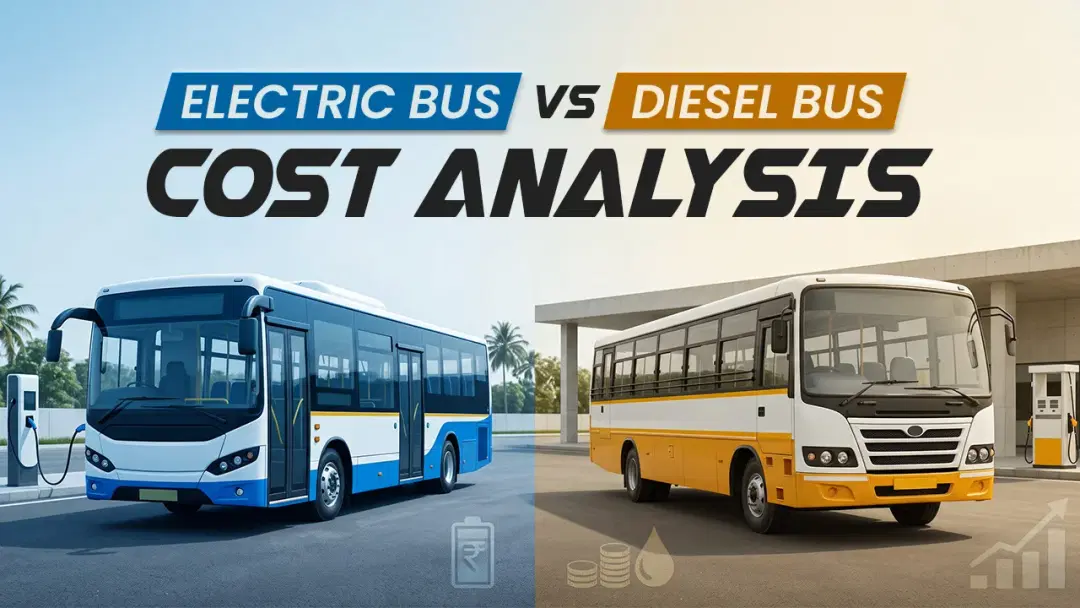
Electric buses entering Indian fleets, particularly for staff transport and intracity routes, carry a noticeably lower moving-part maintenance burden than diesel buses. Battery health monitoring, charging system inspection, motor controller diagnostics and brake regeneration checks replace much of the engine, clutch and exhaust-related servicing that diesel buses require. That said, electric bus fleet maintenance still demands trained technicians familiar with high-voltage systems, and charging infrastructure reliability remains a real operational variable that diesel operators simply do not face. Fleet operators comparing electric bus vs diesel bus cost analysis for their next purchase should weigh this lower running maintenance against upfront vehicle cost and charging access in their specific city.
School Bus vs Intercity Tourist Bus Maintenance
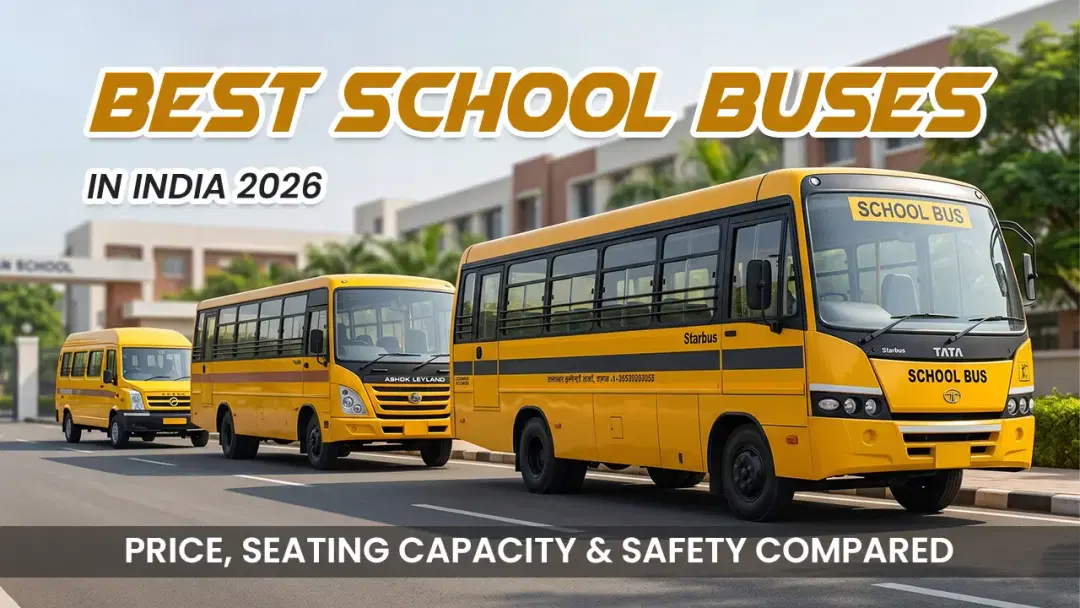
School bus maintenance tends to prioritise safety systems, emergency exits and short-route reliability, since these vehicles run predictable low-speed circuits but carry the highest safety scrutiny. Intercity tourist buses and luxury tourist buses, by contrast, put more strain on suspension, tyres and AC systems due to sustained highway speeds and longer duty cycles, making tyre life and cooling system upkeep a bigger line item on the fleet maintenance checklist for these operators.
Fleet owners running three or fewer buses are generally better served by an authorised service centre or a solid AMC, since in-house mechanics rarely justify their cost at that scale. Larger fleets of ten or more vehicles typically benefit from a mixed approach — in-house staff handling daily checks and oil changes, with AMC or authorised centres handling brakes, suspension and electrical work. Whatever the fleet size, treating bus fleet operating cost as a monthly discipline rather than a reactive expense is what separates operators who renew contracts smoothly from those who lose routes to downtime. Check the on-road price and EMI for your next school, staff or tourist bus in your city on Drivio Trucks.






Popular Buses
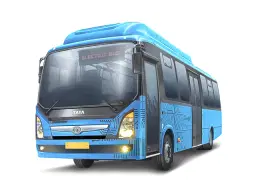
Tata Starbus Ultra City Electric
₹1.60 Crore Onwards

Ashok Leyland Garud 15M
Price to be announced

Volvo B7r
₹1.00 Crore Onwards
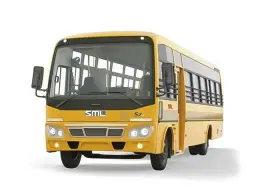
Swaraj Mazda S7 school bus
₹20.93 Lakh Onwards
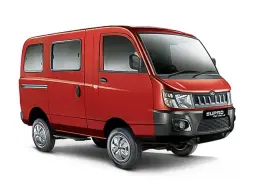
Mahindra Supro minivan vx
₹7.55 Lakh Onwards
Eicher Pro 3009 h chassis
₹18.00 Lakh Onwards

Force Traveller Super
Price to be announced
EKA 7M
Price to be announced

Switch Eiv 12
₹1.00 Crore Onwards
JBM E-skylife
₹1.65 Crore Onwards