
Electric Bus vs Diesel Bus Cost Analysis: Full Ownership Cost Comparison for Indian Fleets
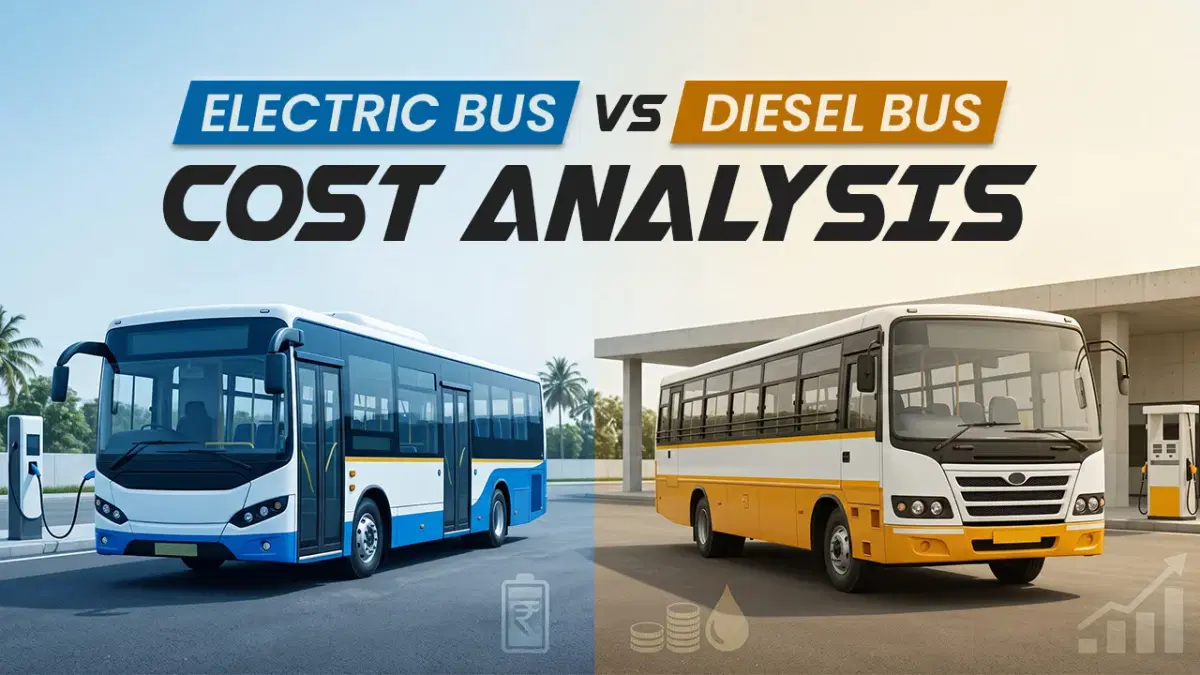
For fleet operators comparing electric bus vs diesel bus cost analysis this July, the upfront price gap remains the single biggest decision point — a full-size electric bus still costs roughly six to seven times more than a comparable diesel staff or school bus, even before running costs enter the picture. That gap is real, but it doesn't tell the whole story. Over a five-year ownership cycle, fuel and maintenance savings on the electric side can claw back a meaningful chunk of that difference, which is exactly why school operators, staff transport contractors and logistics fleets across India are running the numbers before their next purchase or tender bid.
Electric Bus vs Diesel Bus Cost Analysis in India: Where the Numbers Start
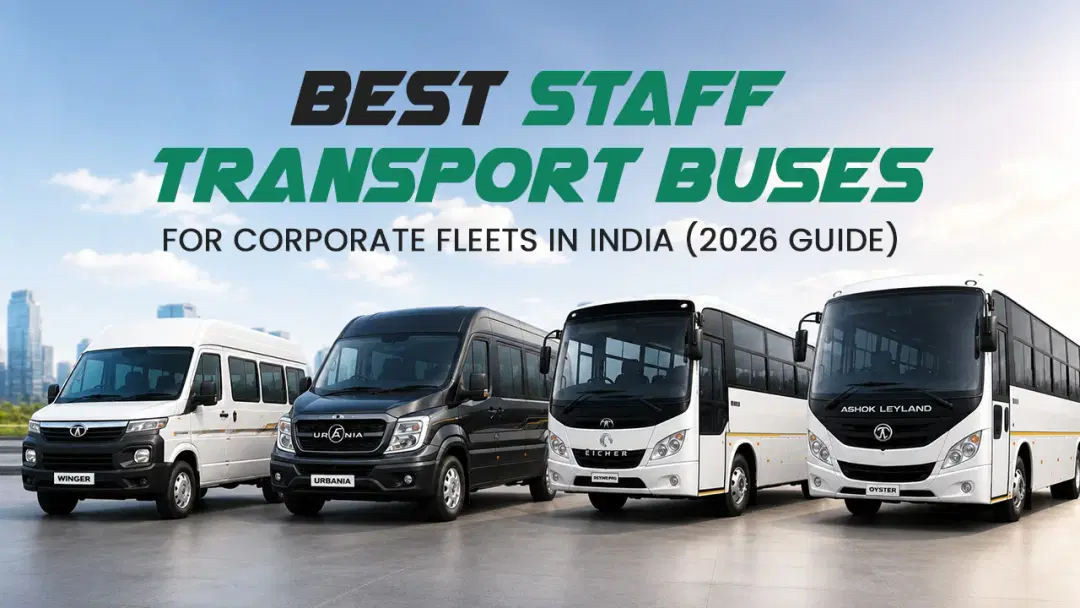
A full-size diesel staff or school bus — think Eicher Skyline Pro or Ashok Leyland Oyster in the 32–40 seat range — carries an ex-showroom price of around ₹28–35 lakh, with on-road price in Delhi or Mumbai landing closer to ₹32–38 lakh once registration, insurance and body-building charges are added. A comparable full-size electric bus, such as the Tata Starbus EV 4/12, sits in a different bracket entirely, with ex-showroom pricing around ₹2–2.2 crore for city and institutional fleet configurations. On-road pricing for the electric bus pushes past ₹2.2 crore in most metros. This is the starting point of any electric bus vs diesel bus cost analysis, and it's why diesel still dominates private school and staff transport fleets today, while electric buses are concentrated in state transport undertakings and larger corporate contracts backed by tender financing.
EMI and Down Payment: The Finance Reality
Assuming a 20% down payment, 5-year loan tenure and 10–12% annual interest, a diesel bus priced at ₹30 lakh needs roughly ₹6 lakh down, with monthly EMI landing around ₹52,000–55,000. The electric bus, at ₹2.1 crore, needs a down payment of around ₹42 lakh, with EMI running approximately ₹3.6–3.8 lakh per month — a figure that immediately rules out most independent school and staff transport operators unless the purchase is backed by a state tender, FAME-linked incentive or corporate lease structure. This is where commercial bus loan EMI planning becomes central to the buying decision, not an afterthought.
Running Cost: Charging vs Diesel Fuel
This is where the electric bus starts closing the gap. At ₹95/litre diesel and a realistic mileage of around 5 km/l, diesel bus fuel cost works out to roughly ₹19 per km. An electric bus consuming around 1.1 kWh/km on commercial charging tariffs of ₹8–12/unit costs approximately ₹9–10 per km — nearly half the running cost per kilometre. On a 150 km/day route, that's a monthly diesel fuel bill of around ₹74,000, against an electric bus running cost in India of approximately ₹39,000 for the same distance, a saving of roughly ₹35,000 every month. Stretch the daily run to 200 km and the gap widens further, which is why electric buses make the strongest financial sense on fixed, high-mileage routes rather than sporadic or long-haul intercity duty.
Maintenance, Battery Risk and Resale
Electric bus maintenance cost is generally lower — no engine oil changes, fewer moving parts and reduced brake wear thanks to regenerative braking. Diesel buses need periodic servicing, filter and injector work, and more frequent brake maintenance under stop-start city and school-route duty. The trade-off is battery replacement risk: EV batteries typically carry warranties of 5–8 years, but replacement outside warranty is a significant unplanned cost that depends on chemistry, usage pattern and charging discipline, and operators should budget for it rather than assume the battery will last the bus's full working life. Resale value also still favours diesel buses today, since the used electric bus market in India is thin and residual values remain harder to predict compared to the well-established diesel resale ecosystem that vehicles like Tata Winger and Force Urbania benefit from in the staff transport segment.
Break-Even Period for Indian Fleet Operators
Given the scale of the upfront and EMI gap, break-even on a full-size electric bus purchased outright against a diesel equivalent typically stretches well beyond five years for most private operators, and often only becomes viable through state subsidy support, tender-based procurement or high-utilisation contracts running 200+ km daily. For smaller institutional buyers evaluating electric bus vs diesel bus cost analysis on their own capital, the break-even math rarely closes within a standard loan tenure unless charging infrastructure, route density and subsidy eligibility all align favourably.
Which Bus Makes Sense for Which Buyer?
Diesel remains the practical choice for private school operators, staff transport contractors with unpredictable routes, and buyers in cities with weak depot charging infrastructure. Electric buses make sense for:
State transport undertakings and city corporations with tender-backed procurement
Fixed-route corporate or campus shuttles running consistent daily mileage
Operators with dedicated depot or fast-charging access
Fleets prioritising long-term fuel savings over short-term capital outlay
Bus total cost of ownership ultimately depends on route length, daily kilometres, financing access and local charging reality rather than sticker price alone. Government tender buyers, private school operators and corporate fleet managers each face a different calculus, and on-road price in Delhi or Mumbai will shift further depending on registration category, permits, seating layout and insurance terms specific to each buyer.
An electric bus earns its keep on fixed routes with reliable charging access and daily running above 150 km, where lower per-km costs eventually offset the steep upfront price. A diesel bus still makes more sense for operators working with a tighter budget, unpredictable routes, or regions where charging infrastructure hasn't caught up yet. Check the on-road price and EMI for the electric bus or diesel bus that fits your route in your city on Drivio Trucks.

Popular Buses
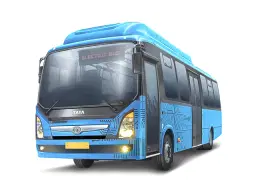
Tata Starbus Ultra City Electric
₹1.60 Crore Onwards
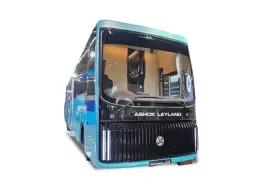
Ashok Leyland Garud 15M
Price to be announced
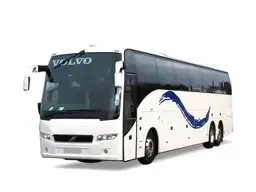
Volvo B7r
₹1.00 Crore Onwards
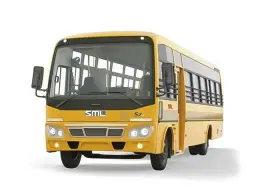
Swaraj Mazda S7 school bus
₹20.93 Lakh Onwards
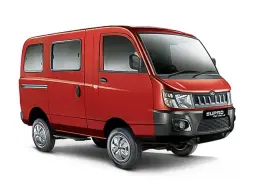
Mahindra Supro minivan vx
₹7.55 Lakh Onwards
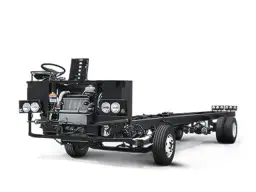
Eicher Pro 3009 h chassis
₹18.00 Lakh Onwards

Force Traveller Super
Price to be announced
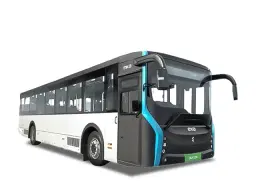
EKA 7M
Price to be announced
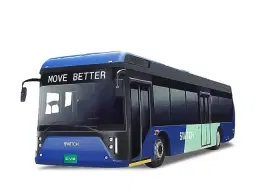
Switch Eiv 12
₹1.00 Crore Onwards
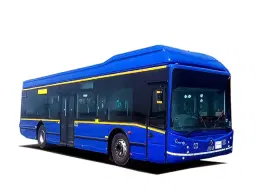
JBM E-skylife
₹1.65 Crore Onwards