
Tempo Traveller Rental Business: How Much Owners Earn Per Month

A Tempo Traveller rental business in India can generate a net monthly profit of ₹35,000 to ₹90,000 per vehicle, depending on city, route, and utilisation, against a total investment of roughly ₹4 lakh to ₹6 lakh as down payment on a vehicle priced between ₹13 lakh and ₹18 lakh on-road. This segment is seeing fresh demand in August 2026 as corporate offices expand employee shuttle contracts, school reopening drives fresh transport tenders, and domestic tourism keeps climbing across pilgrimage and hill-station circuits. For anyone evaluating commercial vehicle business ideas right now, the tempo traveller rental business sits in an unusual sweet spot — moderate entry cost, multiple revenue streams, and steady year-round demand that doesn't collapse the way pure tourism-only businesses do in the off-season.
Is Tempo Traveller Business Profitable?
The honest answer is: it depends entirely on utilisation. A tempo traveller that sits idle for ten days a month will barely cover its EMI, while the same vehicle running 22–25 days a month across mixed contracts can comfortably clear six figures in monthly Tempo Traveller business income. Profitability in this sector isn't about the vehicle — it's about contract mix. Owners who rely solely on ad hoc tourist bookings see the most volatile earnings, while those who lock in at least one corporate or school contract alongside seasonal tourist and wedding work build a far more predictable Tempo Traveller monthly income.
Fleet operators who have scaled beyond one vehicle consistently say the same thing: the first vehicle is the hardest to make profitable because it's still finding its client base. By the second or third booking cycle, referrals from travel agents, corporate HR teams, and wedding planners start filling the calendar without active marketing.
Investment Required to Start a Tempo Traveller Business
A new 12–17 seater Force Traveller or Tata Winger typically costs between ₹13 lakh and ₹18 lakh on-road in India, depending on seating configuration, AC specification, and state RTO charges. Most first-time operators finance this through Tempo Traveller finance schemes offered by NBFCs and banks, with a standard structure of 20% down payment, meaning an upfront outlay of roughly ₹2.6 lakh to ₹3.6 lakh, financed over a 60-month tenure at approximately 11% interest.
Beyond the vehicle itself, budget for commercial insurance (₹45,000–₹65,000 annually for a comprehensive package), permit charges (state and national permits combined can run ₹25,000–₹60,000 depending on the number of states covered), registration and road tax, professional branding and signage (₹15,000–₹25,000), a GPS tracking unit for fleet and client monitoring (₹5,000–₹8,000), and interior accessories like curtains, charging points, and luggage racks (₹20,000–₹35,000). All told, first-year setup costs beyond the down payment typically add another ₹1.2 lakh to ₹1.8 lakh.
How Much Can a Tempo Traveller Earn in a Month?
Revenue in this business comes from several distinct channels, and the operators who do best rarely rely on just one.
Tourist bookings remain the most visible income source, particularly on hill-station and pilgrimage routes, where a well-maintained tempo traveller can command ₹15–₹22 per kilometre plus driver allowance and night halt charges, often bringing in ₹18,000–₹30,000 for a multi-day trip. Corporate contracts for employee transport are steadier and less seasonal, typically structured as fixed monthly retainers of ₹35,000–₹55,000 per vehicle for daily office pickup and drop across a defined radius. School transport contracts, usually running for the ten-month academic session, pay somewhat less per trip but offer near-guaranteed daily utilisation, contributing ₹25,000–₹40,000 monthly during the school year.
Wedding season rentals, concentrated around a handful of peak months, can be highly lucrative — single-day wedding bookings often fetch ₹8,000–₹15,000 given the premium clients pay for reliability and presentation. Pilgrimage tours to circuits like Char Dham, Vaishno Devi, and South Indian temple towns add another consistent revenue stream, especially outside monsoon months. Owners who combine two or three of these — say, a corporate contract on weekdays and tourist or wedding bookings on weekends — typically report gross monthly revenue of ₹70,000 to ₹1,20,000 per vehicle.
Monthly Expenses and Realistic Profit Calculation
Running costs eat into this revenue quickly, and new operators consistently underestimate them. Diesel remains the largest recurring cost — at approximately ₹95 per litre and typical mileage of 10–12 kmpl for a loaded tempo traveller, monthly fuel costs for a vehicle covering 2,500–3,000 km can run ₹22,000–₹28,000. Driver salary, particularly for experienced drivers comfortable with long-distance and hill routes, typically costs ₹18,000–₹25,000 per month. EMI on a standard financing structure works out to roughly ₹22,000–₹26,000 monthly on a ₹13–14 lakh loan amount. Add routine maintenance and servicing (₹4,000–₹6,000), toll and parking charges (₹3,000–₹5,000), permit renewal amortised monthly, and a contingency buffer for unexpected repairs, and total monthly expenses commonly land between ₹75,000 and ₹95,000.
Working through a realistic example: a tempo traveller generating ₹1,00,000 in monthly revenue against ₹80,000 in total expenses yields a net profit of roughly ₹20,000 in a moderate-utilisation month, rising to ₹35,000–₹40,000 in a strong month with a corporate contract plus weekend tourist work. This is a meaningfully more grounded figure than the inflated income claims circulating on social media, and it underscores why fleet utilisation — not just booking rate — determines whether the tempo traveller rental business actually turns a profit.
Best Vehicles for This Business
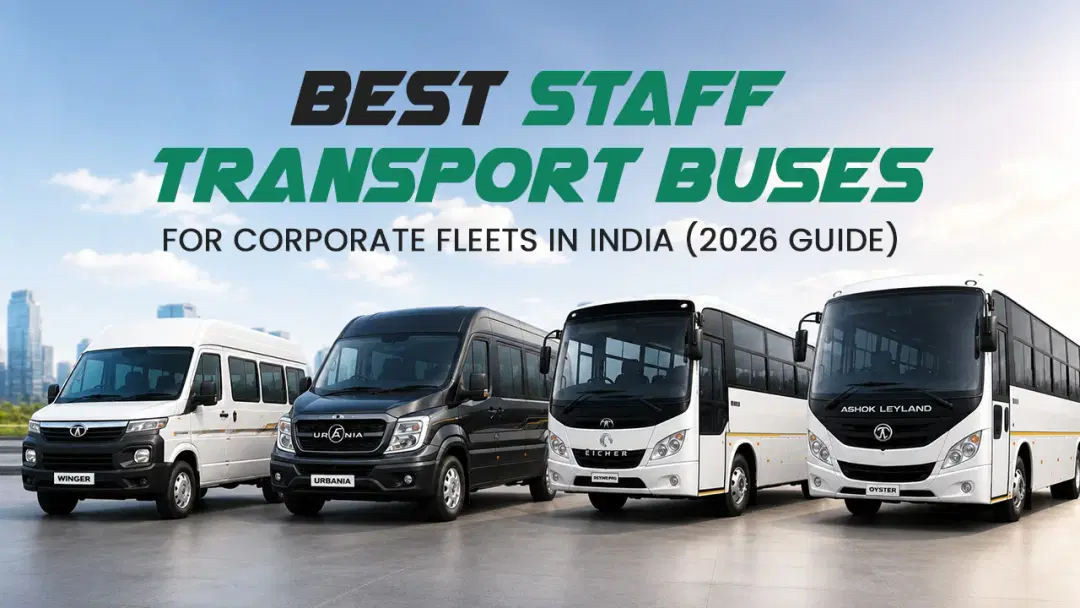
The Force Traveller remains the segment leader in India, valued for its durability, wide service network, and seating flexibility from 9 to 26 passengers, making it the default choice for tourism and pilgrimage operators. The Tata Winger appeals to corporate and premium tourist segments thanks to its car-like ride quality and better cabin insulation, though at a slightly higher price point. The Force Urbania, positioned as a step above the standard Traveller, suits operators targeting premium corporate contracts and luxury tour packages willing to pay more for comfort. First-time buyers evaluating options can compare current on-road pricing through Drivio Trucks' Force Traveller price guide before finalising a variant.
Tempo Traveller vs Mini Bus vs Taxi Fleet vs School Van Business
The tempo traveller sits in the middle of this comparison — higher earning ceiling than a single taxi or school van, with meaningfully lower entry cost and operational complexity than running a mini bus.
Who Should Start This Business, and Who Should Avoid It
This business suits operators who already have access to at least one anchor contract — a corporate HR relationship, a travel agency tie-up, or an existing school transport lead — before the vehicle is even purchased. It also favours those based in cities with strong tourism, pilgrimage, or corporate transport demand, and who can either drive themselves initially or already have a reliable driver relationship. It's a poor fit for those planning to depend entirely on walk-in or online tourist bookings with no contract base, or for first-time vehicle owners without a buffer for the EMI in low-utilisation months. Profitability, ultimately, hinges on treating this as a fleet management business rather than a single-vehicle side hustle.
If you're planning to buy a Tempo Traveller, check the latest on-road price, commercial vehicle loan options, and EMI in your city on Drivio Trucks before making your investment decision.






Popular Buses
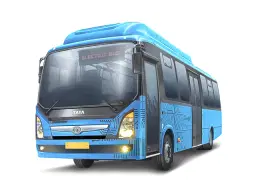
Tata Starbus Ultra City Electric
₹1.60 Crore Onwards

Ashok Leyland Garud 15M
₹1.00 Crore Onwards

Volvo B7r
₹1.00 Crore Onwards

Swaraj Mazda S7 school bus
₹20.93 Lakh Onwards
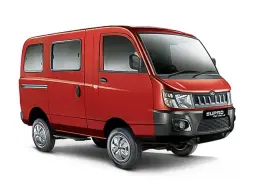
Mahindra Supro minivan vx
₹7.55 Lakh Onwards
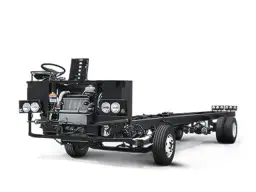
Eicher Pro 3009 h chassis
₹18.00 Lakh Onwards

Force Traveller Super
₹16.02 Lakh Onwards
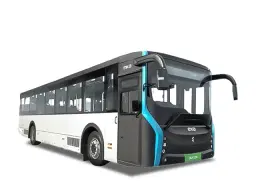
EKA 7M
₹1.01 Crore Onwards

Switch Eiv 12
₹1.00 Crore Onwards

JBM E-skylife
₹1.65 Crore Onwards