
Tata Magic Monthly Income: Daily and Monthly Earning Breakdown for Passenger and Goods Business
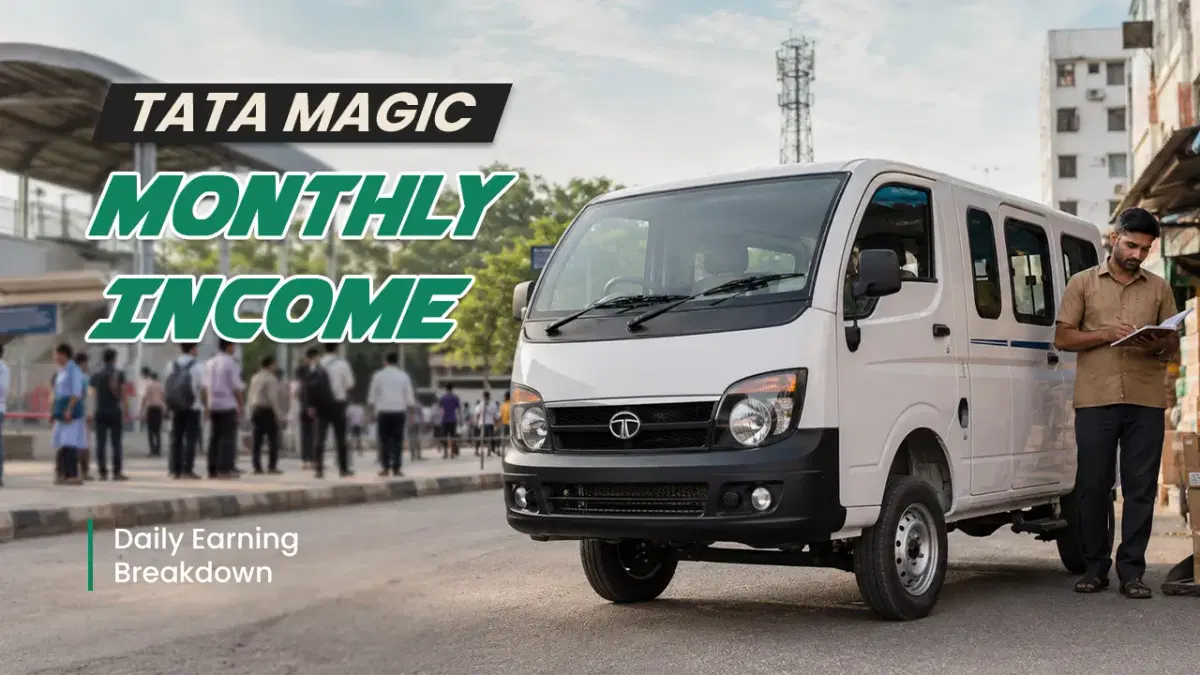
Tata Magic monthly income depends heavily on whether you're running it as a passenger shuttle or a local goods carrier, and the honest number after fuel, maintenance, and EMI works out to somewhere between ₹9,000 and ₹22,000 for most owners in India. The Tata Magic itself is priced from around ₹5.65 lakh ex-showroom, with on-road pricing in Delhi typically landing near ₹6.3–6.6 lakh once RTO tax, insurance, and registration are added. For anyone weighing a Tata Magic purchase against an auto rickshaw or a mini truck for last-mile work, that income range — not the vehicle's brochure mileage — is what actually decides whether the EMI gets paid comfortably or becomes a monthly headache.
Tata Magic Earning Per Day: Passenger Versus Goods Use
The Tata Magic was built as a dual-purpose vehicle, and that flexibility is exactly why its earning per day varies so much between operators. In passenger mode, a six- to ten-seat Magic running a fixed shuttle route — feeder service to a metro station, a factory pickup-drop contract, or a school run — earns through volume, with every seat filled multiple times a day. In goods mode, the same vehicle is usually locked into a flat daily or monthly contract with a courier company, a hardware distributor, or a local FMCG dealer, trading per-trip upside for predictable, if lower, income. Owners who try to mix both roles in a single day generally underperform both, because passenger routes and goods drop-offs rarely share the same timing or the same roads.
Tata Magic Mileage and Running Cost in Real Conditions
Tata rates the Magic's 702cc diesel engine at around 21 HP and 49 Nm, with claimed mileage figures that stretch past 20 kmpl. Real-world mileage on Indian city routes — with stop-start traffic, AC use in passenger variants, and a loaded cabin — settles closer to 15 kmpl. At the fixed diesel price of ₹95 per litre, a Magic covering 90 km a day burns roughly 6 litres of fuel, which comes to about ₹570 in daily fuel cost. Add tyre wear, periodic servicing, and a small buffer for tolls, parking, and challan risk, and the daily running cost before driver wages or EMI sits close to ₹750.
Tata Magic EMI and What It Does to Net Income
On an on-road price of roughly ₹6.4 lakh, a typical commercial vehicle loan structured at 20% down payment over 60 months at 11% interest works out to a down payment near ₹1.28 lakh and a monthly EMI of approximately ₹11,000. That single number is the one most first-time buyers underestimate — it doesn't move regardless of how many passengers show up or how many parcels get delivered that day, which means the first two to three weeks of any month are effectively spent covering the loan before real profit begins.
Gross Income Vs Expenses Vs Net Income Over 20 Working Days
These figures assume the owner drives the vehicle personally. Bring in a hired driver at a typical ₹9,000–₹11,000 monthly wage, and the conservative scenario turns into a loss, while even the average scenario leaves very little cushion for a bad week, a puncture, or an unplanned repair.
How Tata Magic Compares With Tata Ace and Mahindra Jeeto
Drivio has covered the Tata Ace Gold and the Mahindra Jeeto in detail for pure goods operators, and the comparison is useful here because it clarifies what the Magic is actually good for. The Tata Ace and Jeeto carry more payload and suit hardware, dairy, or e-commerce loads better on narrow city lanes, but neither can legally or practically carry passengers. The Magic's advantage is that dual capability — a school run in the morning, a parcel contract in the afternoon — which a pure goods mini truck simply cannot offer. Where the Ace or Jeeto wins is running cost predictability on a single fixed route; the Magic's income swings more with route quality and passenger demand, which makes it a better fit for operators who already have a confirmed contract lined up rather than those hoping to find daily work on the road.
What This Means for Buyers Considering a Tata Magic
Self-driving owners with a confirmed passenger or goods contract are the ones most likely to see the Tata Magic monthly income comfortably cover the EMI and leave a genuine margin, particularly on staff transport or school contracts that pay on a fixed monthly basis rather than per trip. Owners planning to hire a driver need a stronger route — ideally a longer shuttle contract or a higher-paying goods tie-up — because wage costs alone can absorb most of the net income shown in the conservative and average scenarios above. First-time borrowers should also factor in that 20 working days rarely means 20 fully productive days once servicing, driver leave, and slow periods are accounted for, so budgeting the EMI against 16–17 productive days is a more realistic planning approach than assuming a full month of earnings every time.
The clearest verdict is this: buy a Tata Magic for earning if you already have a passenger or goods contract lined up before the vehicle arrives, and avoid it if you're planning to find daily work on unfamiliar routes with a hired driver from day one. Check the on-road price and EMI for the Tata Magic in your city on Drivio.



Popular Trucks

Tata Intra v10
₹7.28 Lakh Onwards
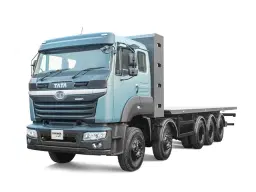
Tata Prima 35.K Auto Shift
Price to be announced
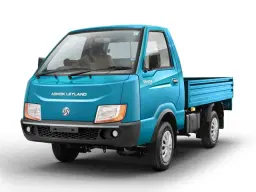
Ashok Leyland Saathi
₹6.50 Lakh Onwards

Mahindra Bolero PIK UP FB 1.3T - PS AC
₹10.48 Lakh Onwards

Omega Seiki M1ka
₹15.00 Lakh Onwards
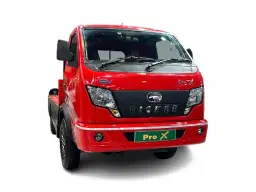
Eicher Pro x
₹17.49 Lakh Onwards

Swaraj Mazda Samrat GS Tipper Chassis
₹21.24 Lakh Onwards
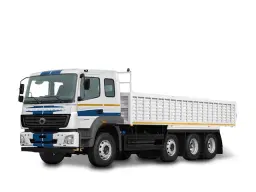
Bharat Benz 3123R
₹40.97 Lakh Onwards

Force Kargo King
₹6.49 Lakh Onwards
Volvo FM 440 6x4
₹70.00 Lakh Onwards